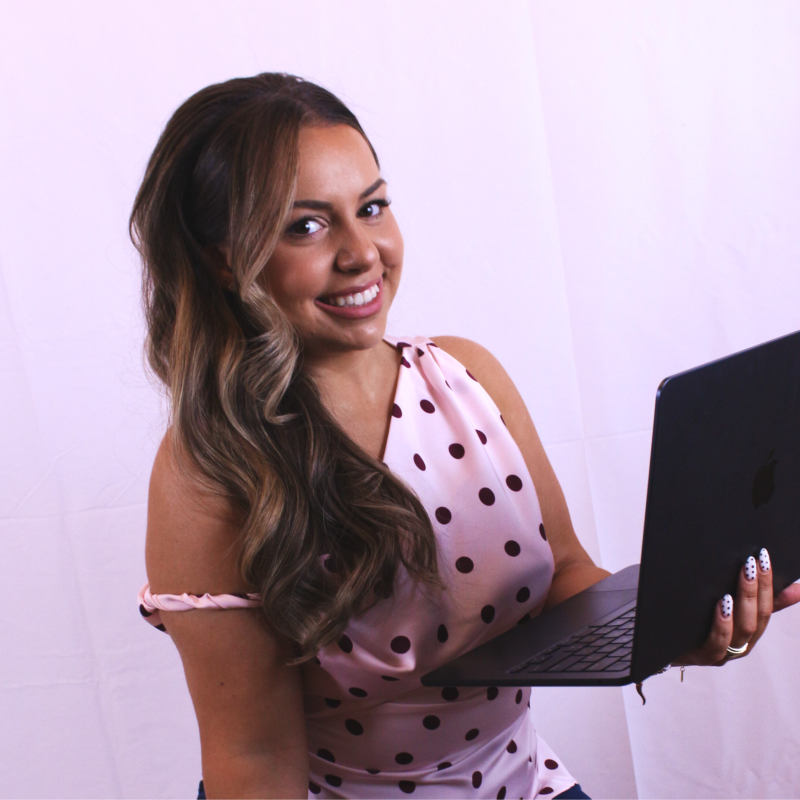
What began during a late-night study session at Marquette University has become Sophia Cacioppo’s next big career move.
Cacioppo recently launched Over Caffeinated Media, a creator-economy agency representing talent and helping brands navigate influencer marketing. The launch brings her career full circle: Over Caffeinated began as a college podcast, became part of the personal brand that helped her land her first job after graduation, and has now been reinvented as the company she had long imagined building.
After five years at Influential—where she watched the company grow from roughly 70 employees to 700—Cacioppo decided it was time to apply her experience on her own terms. Now she is building a carefully differentiated creator roster, advising businesses on influencer partnerships and sharing the realities of entrepreneurship with the audience that has followed her journey.
We spoke with Cacioppo about betting on herself, recognizing genuine influence, creating opportunities for micro-creators and why “community” is becoming one of the creator economy’s most important ideas.
What made you decide this was the right moment to bet on yourself?
It was a long time coming. I’ve always had an entrepreneurial spirit and wanted to be my own boss, but it took a lot of time, saving and hustling behind the scenes.
After gaining traction on my personal social media accounts, I was frequently asked consulting questions about how influencer marketing works. That’s when I knew there was something more there. While working on six-figure campaigns, I always had a passion for supporting the creators—not just the big brands. I wanted to share my expertise where I felt it could matter most: with the creators.
Over Caffeinated began as a podcast while you were at Marquette. How did that early project evolve into the agency you’re building today?
Over Caffeinated started during a late-night study session in my sorority house on campus. I had a passion for pop culture and social media, so I turned it into a podcast. It became something people knew me for and associated with my personal brand.
I kept the domain and social media handles because I knew it could evolve into something more one day. Fast-forward to today: Over Caffeinated Media has been reborn. The project that became an asset on my résumé and helped me land my first job after college is now fueling my dream.
What did your time at Influential teach you about the creator economy?
I was at Influential for 5 years, and my biggest takeaway was that the creator economy genuinely changes every day. If you don’t have a pulse on the trends and platform updates, you will miss the boat.
It’s an incredibly fast-paced industry. If you aren’t genuinely passionate about it, you can fall behind quickly.
What has surprised you most about moving from an established company into entrepreneurship?
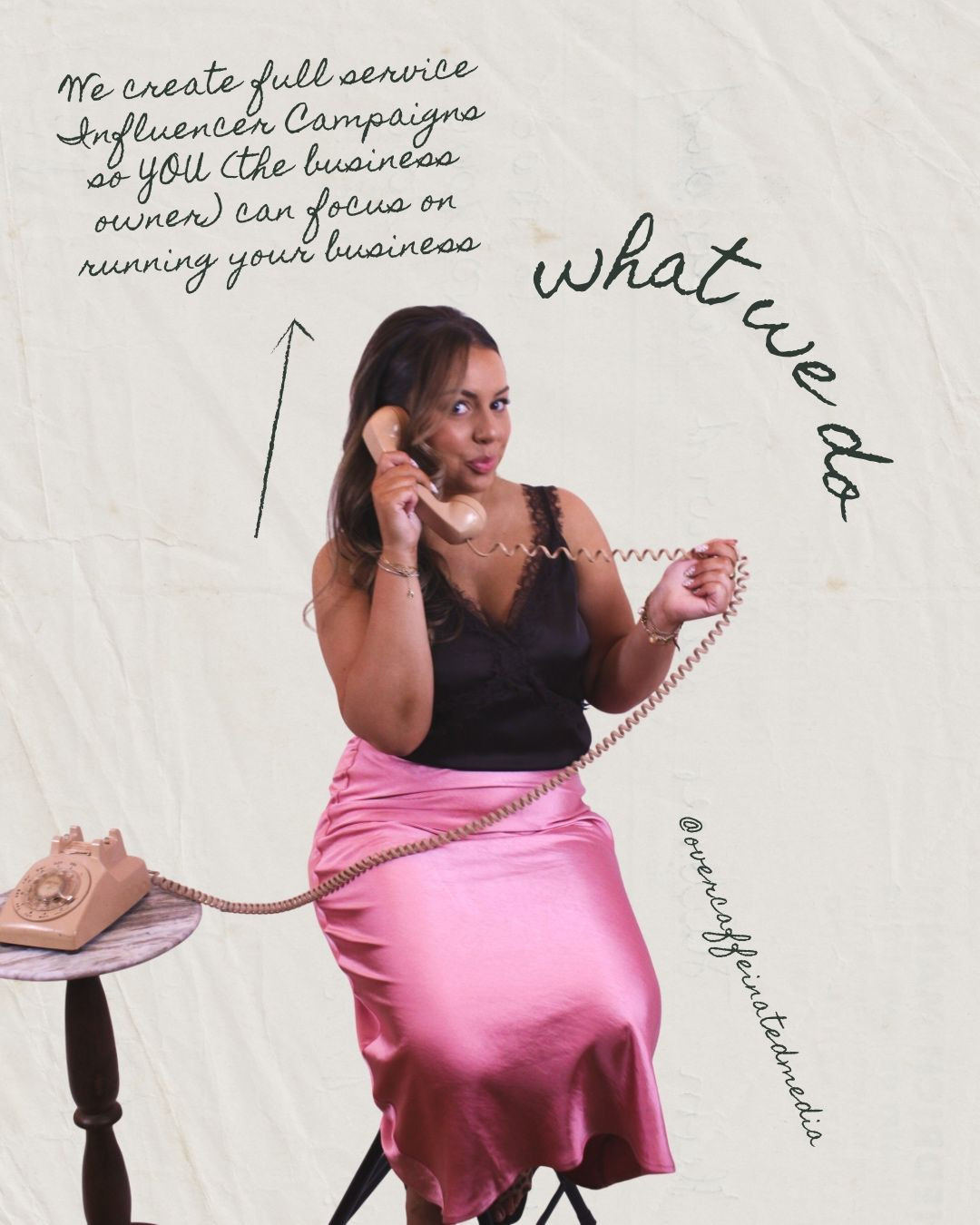
I started at Influential when it had about 70 employees; now it has around 700. Today, I’m working independently, accompanied by the four amazing women I represent on my talent roster.
Entrepreneurship can be lonely, and I couldn’t do it without the family and friends who have supported me through every step. I’ve been surprised by how many people from my past have reconnected with me to offer congratulations, ask questions and genuinely show their support. That means the world to me.
I’ve also learned that, especially at the beginning, only a small part of running an influencer-marketing business is actually influencer marketing. I’ve become a business adviser, financial consultant, accountant and much more as I learn every nuance of building the company.
You work with both brands and creators. What do you look for before deciding someone is a good fit for your roster?
This is one of my favorite questions—and one I’ve been getting often!
I prefer to have worked with a creator before signing them. I look for someone who is punctual, professional and genuinely enthusiastic about the work. I approach it almost as if I were hiring that person for a full-time role at my company, because joining the roster is a bridge toward that kind of partnership.
Of course, I also consider performance metrics and minimum benchmarks. If I’ve already worked with a creator from the brand side, however, that person is three steps ahead.
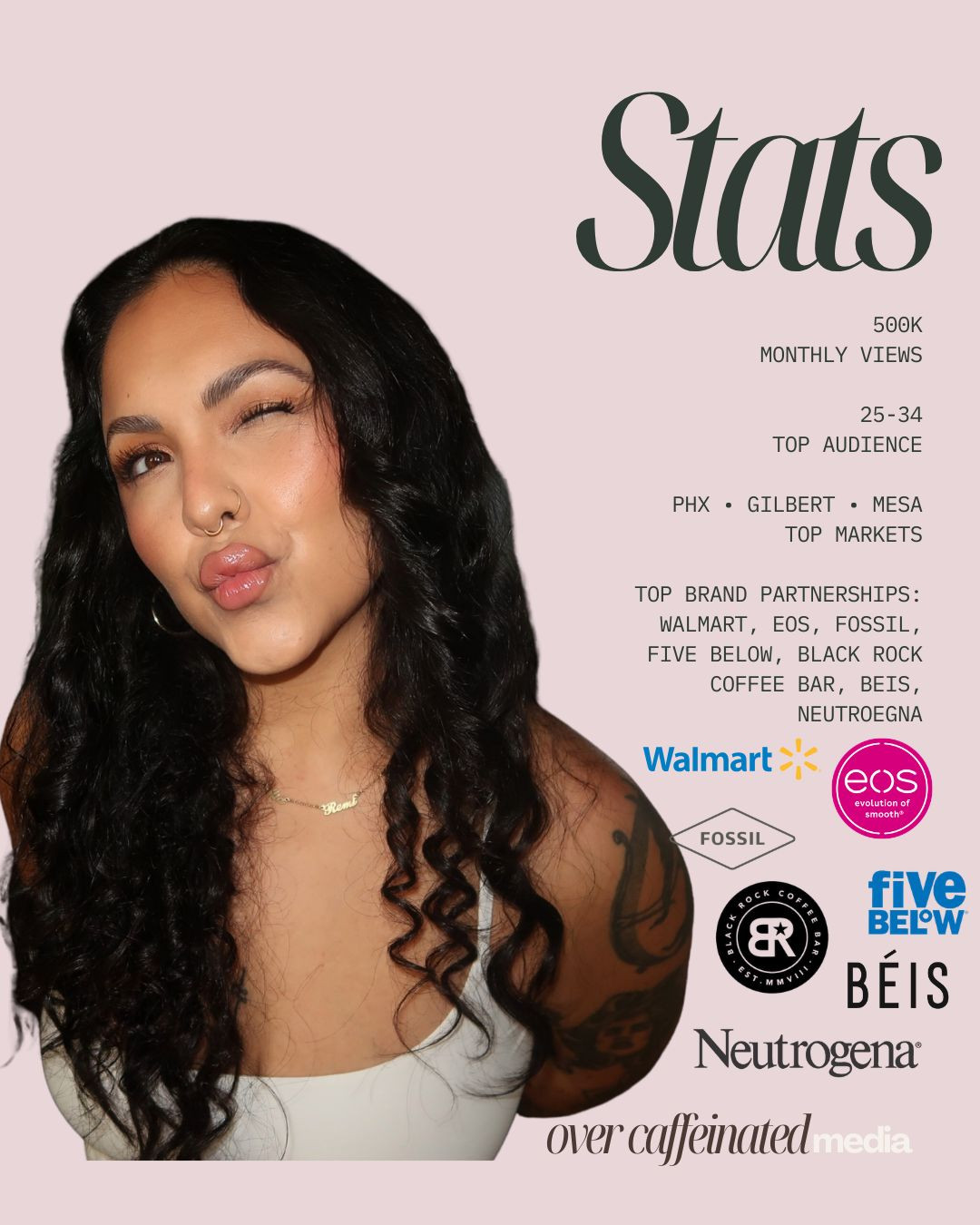
Some of the factors I consider include engagement rate—typically at least 2% to 3%—audience demographics, content vertical, age group and diversity. I’m intentionally building a roster in which no two creators are exactly alike. That creates a greater range of options for campaigns and helps prevent the creators from competing directly with one another when I pitch them to brands.
Many small businesses assume influencer marketing is outside their budget. Where can a smaller organization begin?
That’s a common misconception. At the same time, many brands assume influencer marketing should be free, and that simply isn’t the case.
One of my favorite examples is a restaurant that wants to generate buzz but doesn’t have an entire team managing its social media. It might invite five to 10 local food creators to enjoy a complimentary meal in exchange for sharing a video with their audiences. Depending on the experience and expectations, that can be an appealing trade for many micro-creators.
My biggest advice for brands that want to get started is to begin small and create an offer that is worthwhile for the creators. You don’t need a huge paid-media budget or creators with enormous follower counts. People who already genuinely love your brand are often the best place to begin.
What role do in-person experiences and events play in an industry that is usually discussed as a digital marketing channel?
Since the pandemic, many people have been craving in-person experiences. Brands are now seeing how much impact a social media-driven event can have.
A recent example was the opening of PopUp Bagels in Chicago. A small group of creators visited the day before the opening and shared their favorites. The next morning, hundreds of people lined the streets of Lincoln Park for the grand-opening celebration. It was a relatively small investment that helped produce an incredible outcome.
The word for 2026 is community. People are craving community, and in-person events give us a piece of that in an increasingly digital world.
What changes in the creator economy are you watching most closely right now?
The evolution of the creator economy over the past few years has been fascinating. I’m especially interested in the rise of micro-creators who are treating content creation as a full-time profession and finding ways to monetize high-quality work rather than simply posting for the sake of posting.
More people are recognizing that this can be a legitimate career. It’s about much more than posting content—it involves strategy, production, audience development, partnerships and business management.
How can a brand distinguish genuine influence from impressive-looking numbers that may not produce meaningful results?
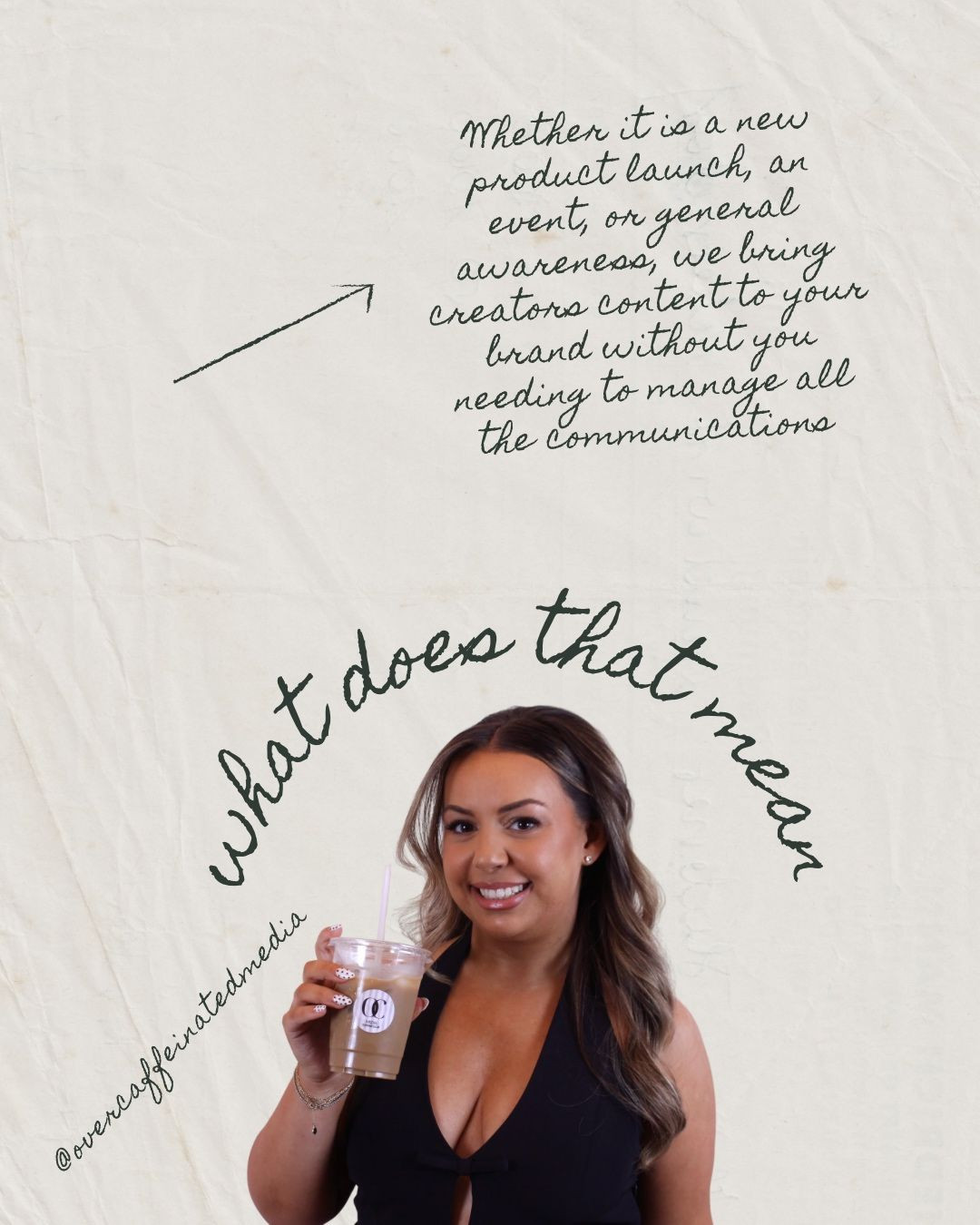
Just like a billboard, a social media post is often part of an awareness campaign. The advantage of social media is that you can see how many people liked, viewed, shared and commented on a post.
Conversions can’t be guaranteed in any form of advertising. When evaluating whether your brand made a splash, look at whether people shared and commented on the content and whether it continued attracting views during the campaign. Are people asking questions about the product or service? Are customers saying, “I heard about this on TikTok”?
If you can see that increased awareness and conversation taking place, you’re moving in the right direction.
What would you tell your college-age self about building a career in an industry that was still emerging when you graduated?
Do what you love, because what you love truly can become your dream job.
The college student who had a passion for advertising and social media had no idea the creator economy would explode into what it is today. It has been such a fun journey to watch the industry grow and change over the past eight or nine years.
You’ve generated more than a million views in a month on your personal Instagram while building a following of around 5,000. What have you learned about creating content that people actually share and save?
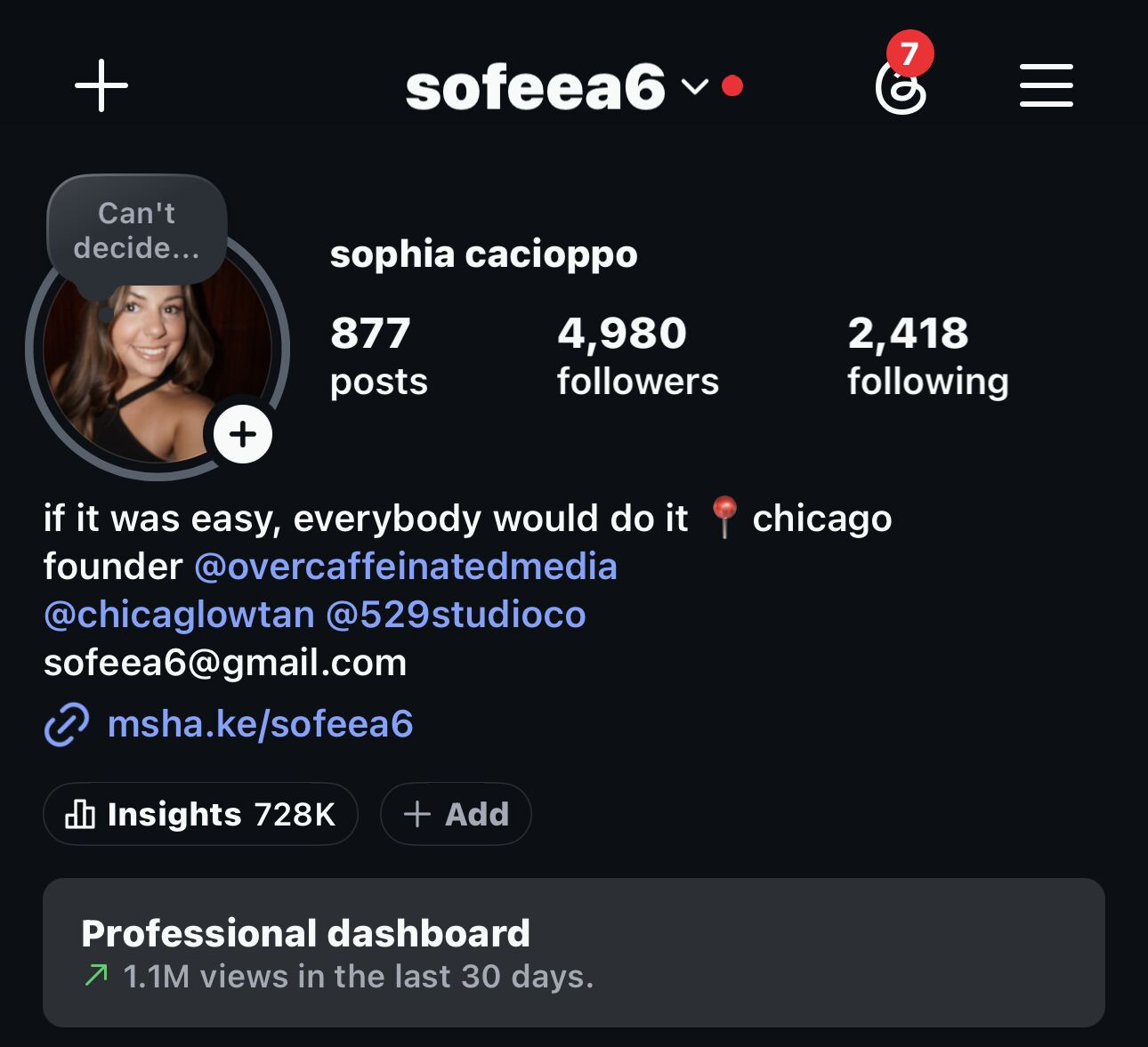
I’ve been creating content for a long time, and what my existing and potential audiences want to see continues to change. It could be a viral Chicago sports moment, a restaurant in my area or a simple self-help message.
The things that go viral tend to have one common thread: They’re things I genuinely care about and would continue sharing regardless of the numbers.
A million-view month doesn’t happen every month. I’ve learned to balance posting what has the potential to go viral with sharing what I genuinely care about. Those aren’t always the same thing, so I try to remain true to myself and post what feels authentic.
How do you manage the pressure to remain consistently visible while also doing the less-visible work of building a company?
I’ve maintained a consistent posting schedule for years, even though I rarely shared what I was doing professionally while working at Influential.
Now I get to set the rules about what I can and can’t share. The best part is that people are genuinely interested in how I’m building the business and want to see more of that journey. They’re interested in “Founder Sophia,” not only the Sophia they knew in college. That has been a very cool shift.
Finally, what’s keeping you over-caffeinated these days, literally or figuratively?
Honestly, having full control of my schedule has been the most energizing part. I’ve been able to attend industry events, meet with brands and creators in person, and find more time to spend with my family and friends.
I’m also staying loyal to Dunkin’, Diet Coke and STōK Cold Brew for my daily caffeine buzz!
Is there anything else you’d like Big Shoes Network readers to know?
I’d love to be considered for opportunities to speak on panels, talk with students or participate in similar events. I enjoy sharing what I’ve learned and helping others explore the creator economy.