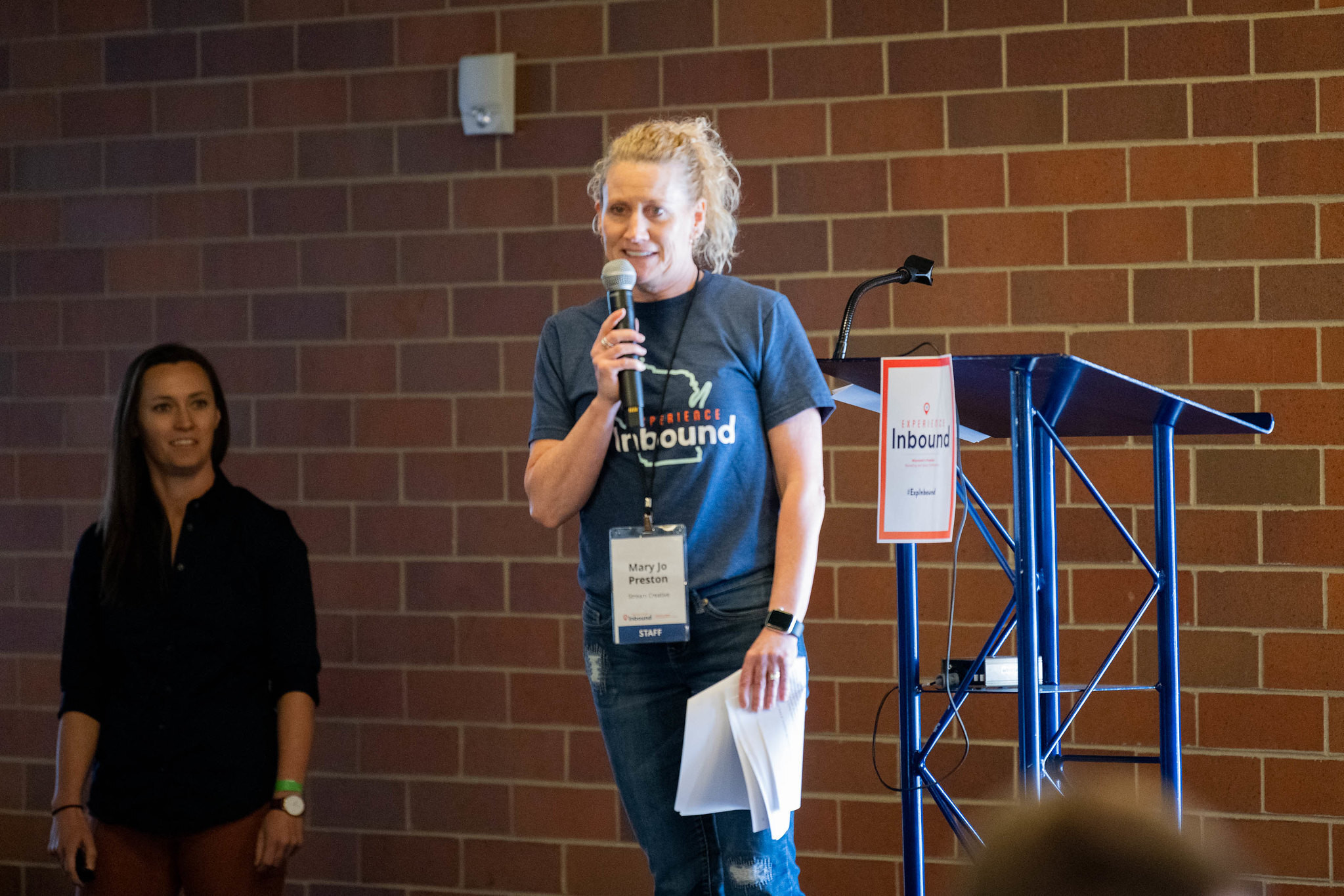
Mary Jo Preston has navigated a career that spans radio promotions, travel marketing, nonprofit storytelling, and more than a decade leading paid media at Stream Creative.
Along the way, she’s embraced every curveball technology has thrown at the industry with curiosity as her guide. In this conversation, Mary Jo shares how relationships shaped her early work, what AI means for campaign planning today, and why staying curious is the best preparation for whatever comes next in marketing.
You started in radio promotions and travel marketing before moving into agencies and digital media. What has kept you energized across different chapters?
Honestly? Curiosity. I’ve always had this thirst to learn more, and marketing and events make sure you never get too comfortable. Just when you think you’ve nailed the perfect strategy, technology swoops in, tosses the board game in the air, and says, “Sorry.” Some people find that frustrating; I find it energizing. I like to joke that I have a love/hate relationship with technology: I hate that it changes so fast, but I love the way it keeps us alert. The real trick is being willing to embrace the new, while respecting the old, and finding a way to marry the two. That’s where powerful campaigns come from.
Looking back, which early career experience shaped how you lead campaigns today?
Two things: relationships and service. In my early days, building trust with vendors meant I could deliver exactly what I promised to clients and in turn, that taught me to treat clients as true partners. I learned that you’re not just “running a campaign,” you’re an extension of someone’s team, their brand, and sometimes even their reputation. That mindset has stuck with me, and I still bring it into every campaign I lead today.
You’ve worked in both nonprofit and corporate environments. How do those marketing challenges differ—and what lessons cross over?
Working in nonprofit was eye-opening. Cause marketing is deeply emotional. You have to truly believe in the mission and tell stories that pull heartstrings, because that’s what moves people to give. On the other hand, corporate marketing is harder to show emotion and more about problem-solving: how can you show that your product or service is the answer someone has been searching for? But in both cases, it boils down to storytelling and trust. Whether you’re tugging on heartstrings or solving a problem, if you can’t tell a compelling story, you won’t build the connection.
At Stream Creative, you’ve led paid media for 13+ years. What’s the biggest shift you’ve seen in digital advertising over that time?
I remember my very first Facebook ad—a little text ad was the only option. Now, you have so many social channels, each providing you with an assortment of types of advertising, each advancing and now each coming with an AI assist. The cookie war—I am talking about the ability to block audience traffic. How then do you target online? Technology finds a way. AI-enhanced advertising—how to leverage AI but keep the human aspect in.
You advise clients on integrating AI into their marketing. What’s one practical way AI is already changing campaign planning or execution?
Research. I used to spend hours profiling customer personas, digging for pain points, and analyzing messaging. Now I can use AI to speed up that work and uncover insights I might have missed. I use it to refine ad copy, check that messaging lines up with landing pages, and even to crunch campaign performance data. It’s not about replacing strategy—it’s about saving time on the heavy lifting so I can focus on the creative and the human side of the campaign.
When you build a paid media plan, what’s the first data point you look at—and what’s the last gut check you make before launch?
First thing I ask: are we reaching the right people on the right channels? Because even the most brilliant creative won’t work if it’s shown to the wrong audience. Last gut check? Testing, testing—and did I mention testing? I walk through every step like I’m the customer: click the ad, land on the page, fill out the form, get the follow-up. If something’s broken or confusing, it gets fixed before we launch. I want to know that every piece—tracking URLs, forms, pixels, creative—is working in harmony. Only when the i’s are dotted and the t’s are crossed (yes, even the invisible ones in the backend) do I give the green light. Nothing kills a campaign faster than a broken experience—and nothing feels better than knowing your launch is seamless.
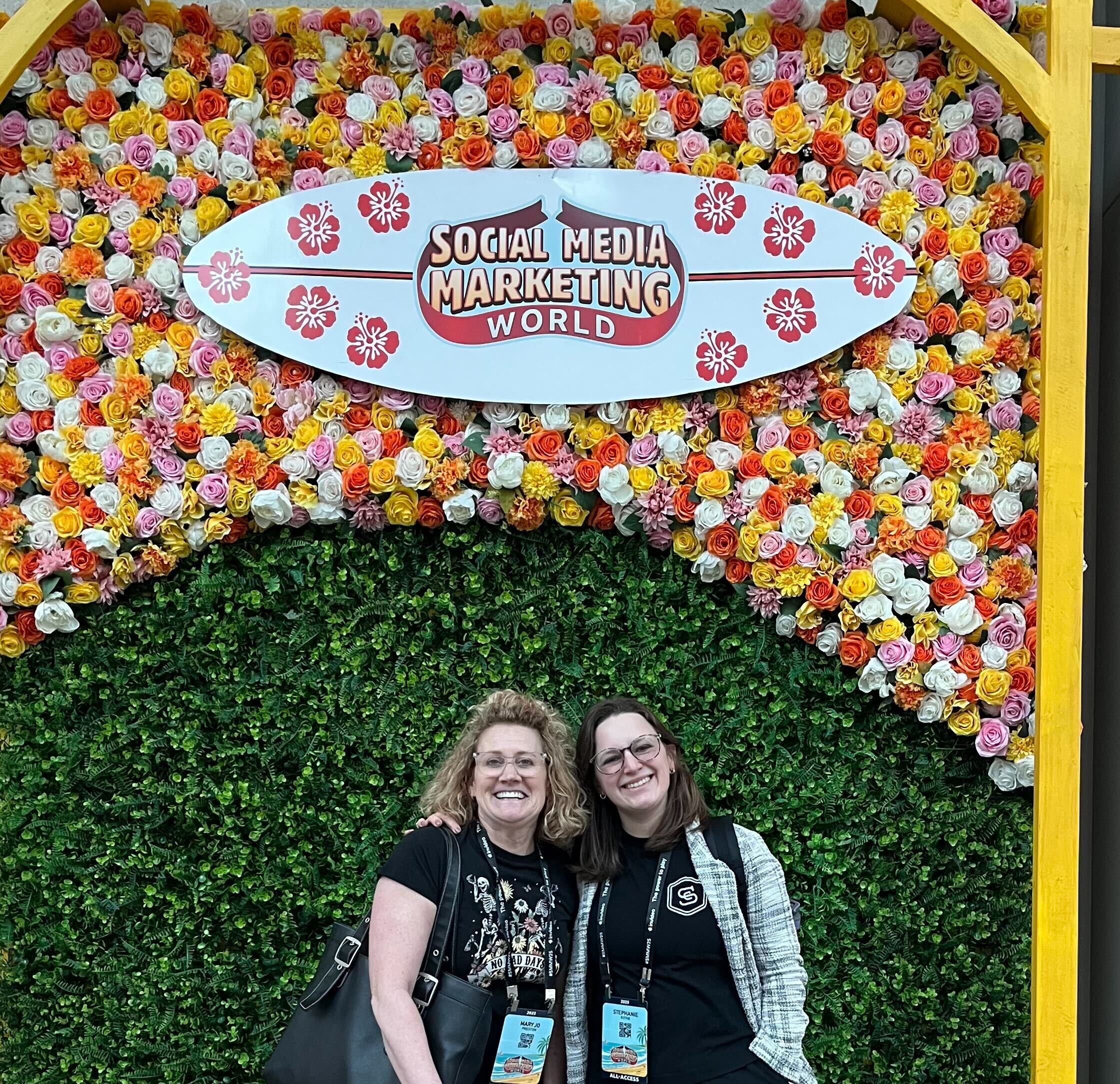
You manage conferences, workshops, and HUG events. How do you design events that educate and stay on top of the trends?
I’m a huge believer in asking the audience what they want—surveys are gold. I also keep a pulse on marketing influencers and industry newsletters to spot trends. Then I balance it: give people what they asked for, sprinkle in a few “next big thing” sessions to sharpen their skills. My goal is always to create events that feel relevant, useful, and inspiring.
What’s one behind-the-scenes lesson about event planning that most people wouldn’t guess matters so much?
The details. I picked this advice up early on in my career. Remembering someone’s name. Adding a little surprise a-ha moment that makes them smile. Giving credit when someone shares a great idea and weaving it into the plan. Those “small” things are what people remember and what make them feel valued. At the end of the day, it’s not about me, the planner; it’s about how the audience feels when they leave. If they walk out saying, “That was awesome,” I’ve done my job.
You’ve managed million-dollar budgets and shoestring campaigns. What advice do you give marketers on making the most of limited resources or big budgets?
The budget conversation is always the tough one, but it’s also one of the most important. You have to be honest with clients about what their budget can realistically achieve, whether it’s $5,000 or $500,000. That means setting clear expectations, explaining the trade-offs, and making sure they understand where the money is going and why. Honesty goes a long way here, and clients should value your expertise in guiding those decisions. At the end of the day, it doesn’t matter how big the number is, it matters how strategically it’s spent. If every dollar has a purpose and ties back to the goals, the results will speak for themselves.
What’s one career risk you took that paid off—and one that stretched you in ways you didn’t expect?
The best risk? Leaving a large company to join a small five-person agency. At the time, it felt risky, but it turned into one of the best moves I’ve ever made—it gave me room to grow and lead. Happy to say 13 years later, still here. The stretch moment? Getting laid off, scrambling for my next role, and ending up in a job that tested my values in ways I wasn’t prepared for. It forced me to ask tough questions about integrity and alignment. Looking back, I needed that experience to sharpen my sense of what kind of leader I want to be.
For marketers starting out now, how can they prepare for a career that might span radio, travel, digital, AI, and whatever comes next?
Stay curious. Don’t walk into the room thinking you know it all—you don’t, and that’s okay. Build real relationships, listen more than you talk, and be open to learning from every situation. And when it comes to technology, don’t fear it—figure out how to make it your secret weapon. Marketing is constantly evolving, and that’s the fun of it. If you lean into change instead of resisting it, your career will take you places you can’t even imagine yet.