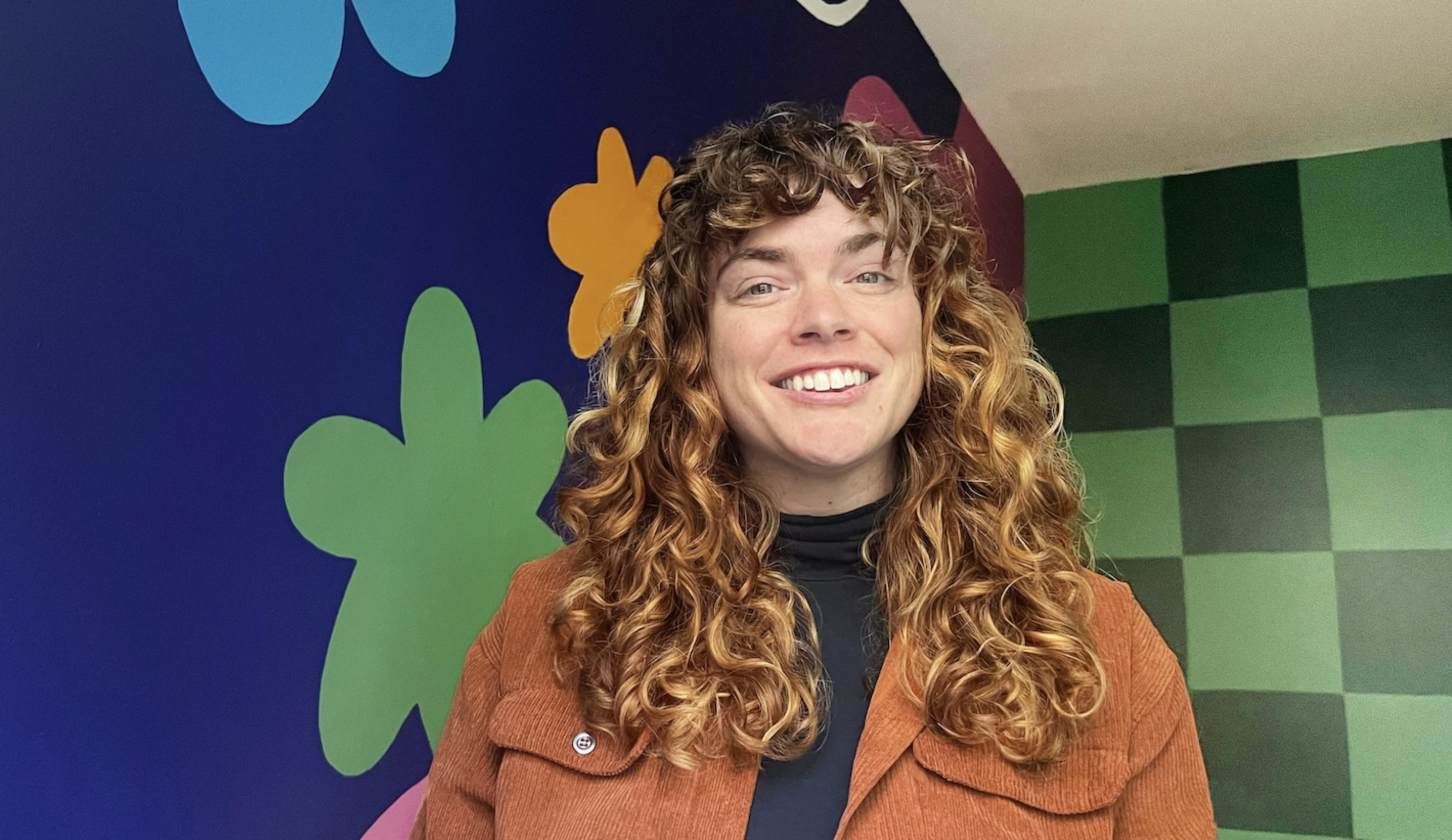
Maggie Butler works with brands you can feel, then paints them big enough for a neighborhood to see.
Trained in design at Milwaukee Institute of Art and Design (MIAD) and strategy at Marquette University, she’s worked across cafés and global names like Amazon, Burt’s Bees, and Kohl’s, translating personality into clear, cohesive visuals.
A semester in Rome sharpened her eye, which she now channels into murals, lettering and screen-printed gig posters. After several years in corporate roles, 2021 became her inflection point: she traded a steady paycheck for a bet on herself.
In this Q+A, Maggie digs into the difference between art and design, the puzzle of brand voice, how to build a client base that lasts, and why community research makes better murals.
She also shares what’s next and one piece of blunt career advice for anyone hesitating at the edge of a creative leap. Dive in.
You’ve built a creative career that spans branding, murals, lettering and illustration. What first drew you to visual storytelling?
I’ve been interested in art for as long as I can remember. I love how art connects with people and makes us feel things. Each person can look at the same piece of art and take away something different from it. I always knew that I wanted a creative career that combines my passion for art with connection to humans.
With a pragmatic accountant father and a mother who always encouraged me to follow my dreams—she went to grad school in her 40s to change career paths—I was influenced and encouraged at a young age to find a way to use my artistic talents to find a stable career, which is how I landed in graphic design. Nowadays, I lean more into the art, creating things like murals, screen printing, and collages.
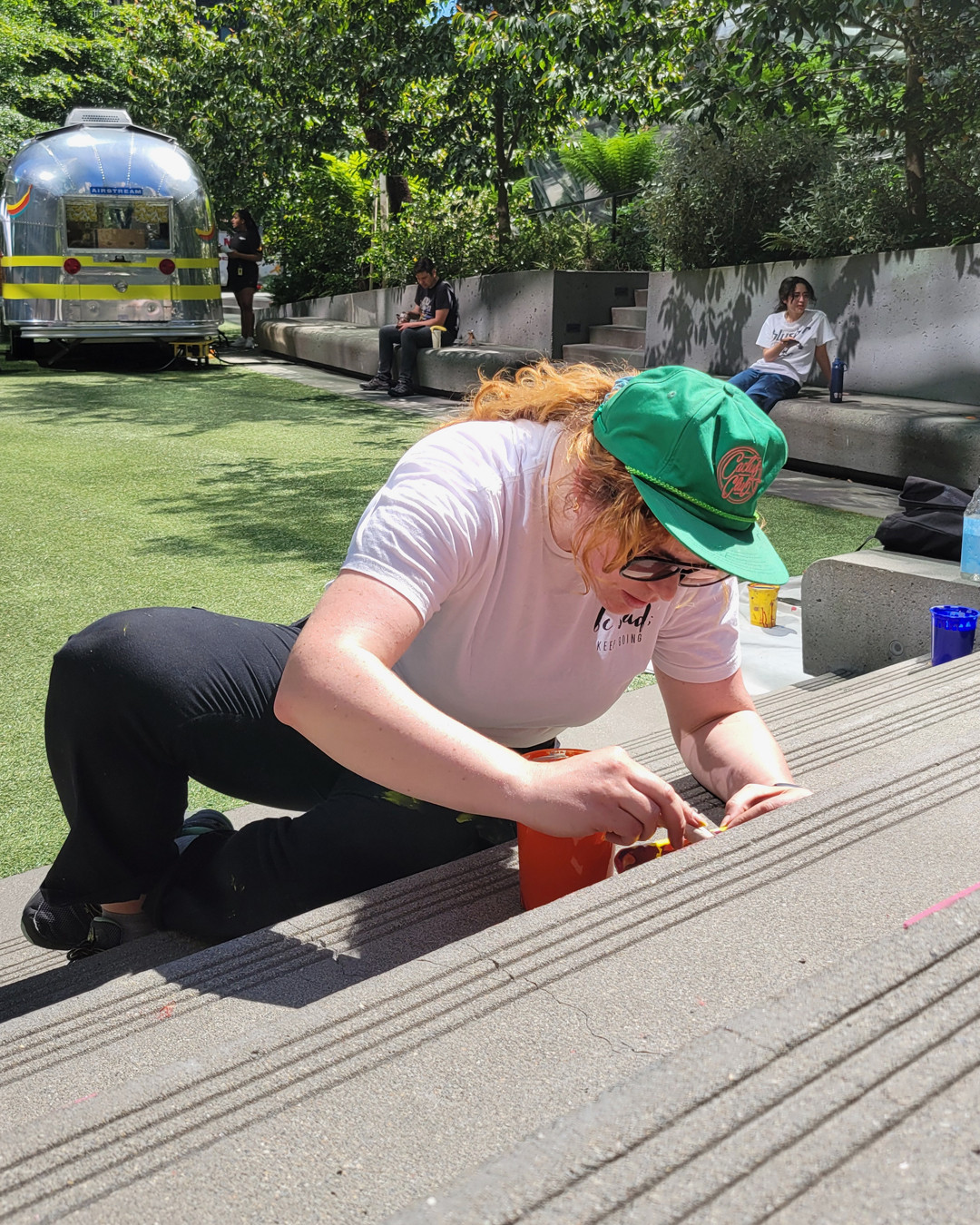
You earned both your bachelor’s and master’s degrees at Marquette while studying design at MIAD. How did your mix of strategy and art shape the kind of designer you’ve become?
I’m grateful to have the experience in both the creative side of design and strategic side of advertising and communications. While I gained the technical skills to become a designer at MIAD, I learned how to think like a marketer at Marquette, which has allowed me to streamline my process to design with the customer in mind, ensure my clients are happy throughout the project, and drive business.
Through both programs, I learned how to deal with critique and how to not get too attached to designs. The difference between art and design is that design ultimately needs to yield results, not just look good. Learning the strategic side of things also helped me catapult my career from working in a corporate job to starting my own business.
You spent time studying abroad in Rome. How did that experience or travel in general influence your creative process or your sense of visual culture?
I hate to be that person who studies abroad for a semester and doesn’t stop talking about how life-changing it was for the rest of eternity, but that really is how it felt. I chose Rome because Italy is such a significant place for art. Every time I walked out the front door, I was inspired by something. It felt amazing to be walking in the same places that some of the greats once lived. Not only was the historic art and architecture inspiring, but I was also heavily influenced by the street art and graffiti, which piqued my interest in becoming a muralist.
I love traveling and I think that seeing new things, having new experiences, and meeting new people shifts your perspective and can improve the way you connect with others. Travel doesn’t have to be grand and expensive to be inspiring. Even just exploring a different neighborhood in your city can make you look at things differently. I think it’s important as a designer and artist to step away from the screen and go experience the world as part of the inspiration and ideation process.
You’ve designed for everything from local cafes to major brands like Amazon, Burt’s Bees, and Kohl’s. What have those experiences taught you about communicating a brand’s personality through design?
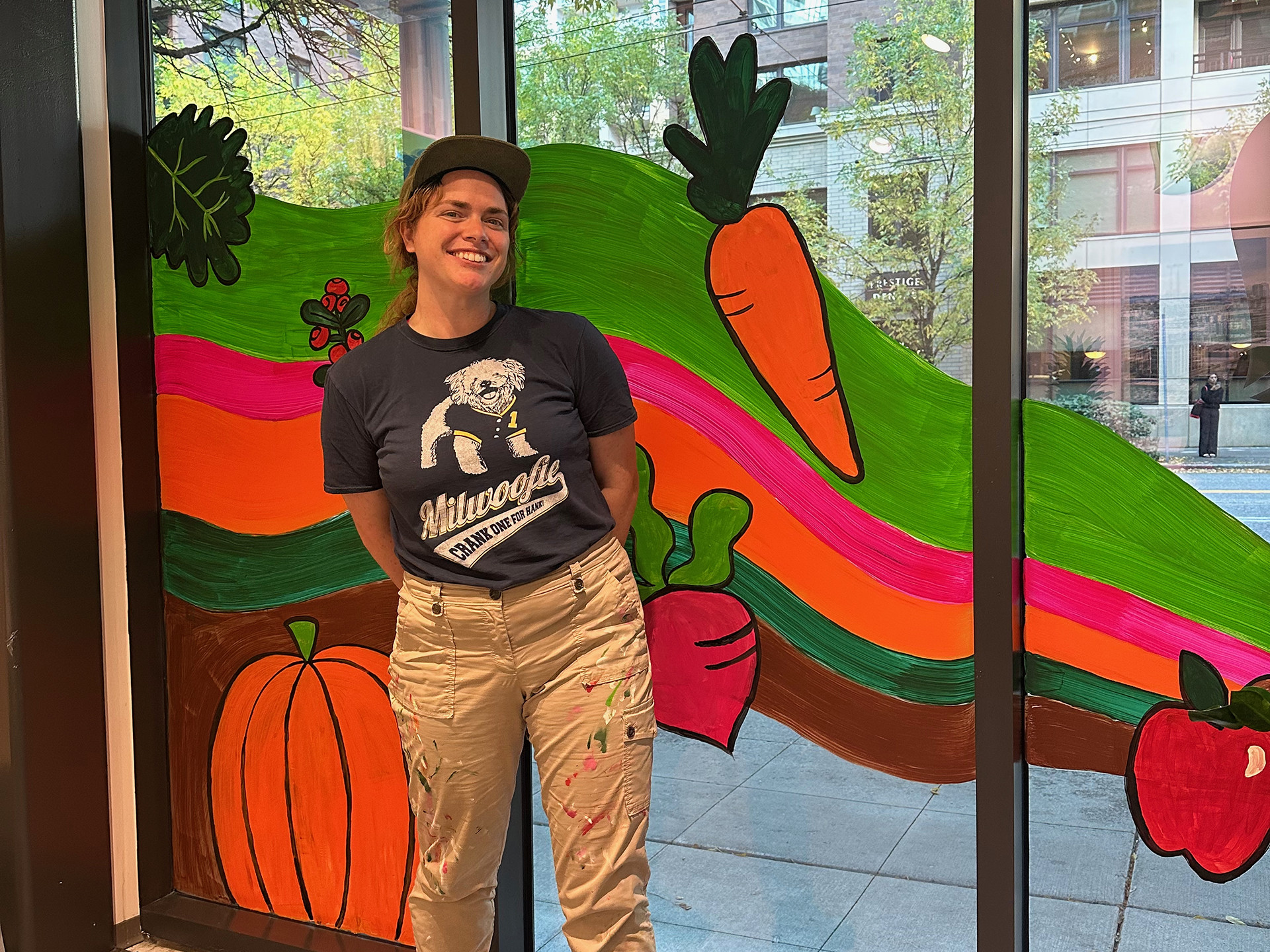
One of the most fun parts of design for me is taking a brand identity and applying it to bring a vision to life. It’s almost like solving a creative puzzle. You may have a brilliant idea for a mural or an advertisement or a social media post, but you have to figure out how to make it look and sound like it’s all coming from the same voice and the same toolkit. And that voice is often not like yours. I pride myself on working for lots of different brands because I like to follow the rules and then figure out how I can break them without pushing it too far. As with everything, it was a learning process that took practice to hone the skill.
After several years in corporate design at Kohl’s, you launched your own studio. What inspired you to take that leap, and what’s been the biggest surprise in running your own creative business?
My story is not unique in that when Covid hit in 2020, I was forced to take a look at my life and figure out what was really working for me and what I actually wanted. I liked the stability of having a consistent paycheck and a matched 401K at a corporation, but I was admiring so many independent designers and wishing that my life looked more like theirs. I thought that I could never achieve something like that.
But as lockdowns happened, I started taking on more freelance work on the side, until I was basically working non-stop. When I knew that I was ready to start going back into the world and rebuilding my social life, I knew that something would have to give, so in 2021 I trusted my gut and pursued full-time freelance. The biggest surprise has been finding that everything works out. I learned that when you take a calculated risk, you’ll find a way to make it work. It’s all about trusting the process. And if it isn’t working, you can always try something else. I learned that if you’re thinking about something every single day, and searching for a sign, that’s your sign to take a leap.
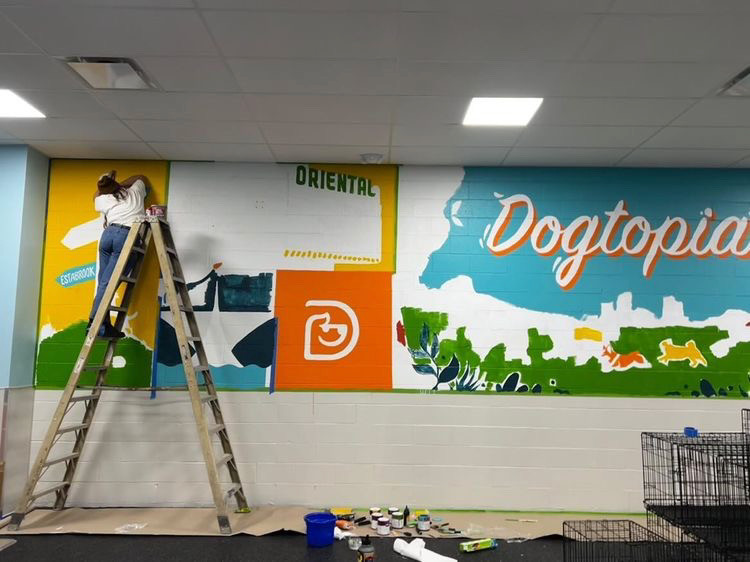
As a freelancer, you collaborate with clients across industries, from food and music to social impact. How do you adapt your voice and style while keeping your personal aesthetic intact?
For the longest time, I didn’t think that I had a personal aesthetic because I was so focused on adapting to clients’ brand toolkits. I finally feel like I have my own unique style, which has been fun to explore and own. When working with a client, I try to provide guidance and expertise while still delivering on their expectations. Sometimes clients like to have someone who can be a thought leader and provide recommendations, and sometimes clients just want someone with the right skills to bring their distinct vision to life.
I like to make sure that my clients have input every step of the way so that both of us end up satisfied with the result. I also keep a portfolio of work to show potential partners, so they can look at my past work and decide if we’re a good fit. I give everyone a free consultation meeting at the start of a project and am honest with them if I don’t think I’m the right artist for their vision. Sometimes they just need you to point them in the right direction, and I’m always happy to recommend other artists, designers, and friends who have the skills that they’re looking for if I don’t think I’m the right fit. Managing expectations from the get-go is important so that the process is smooth and satisfying for everyone.
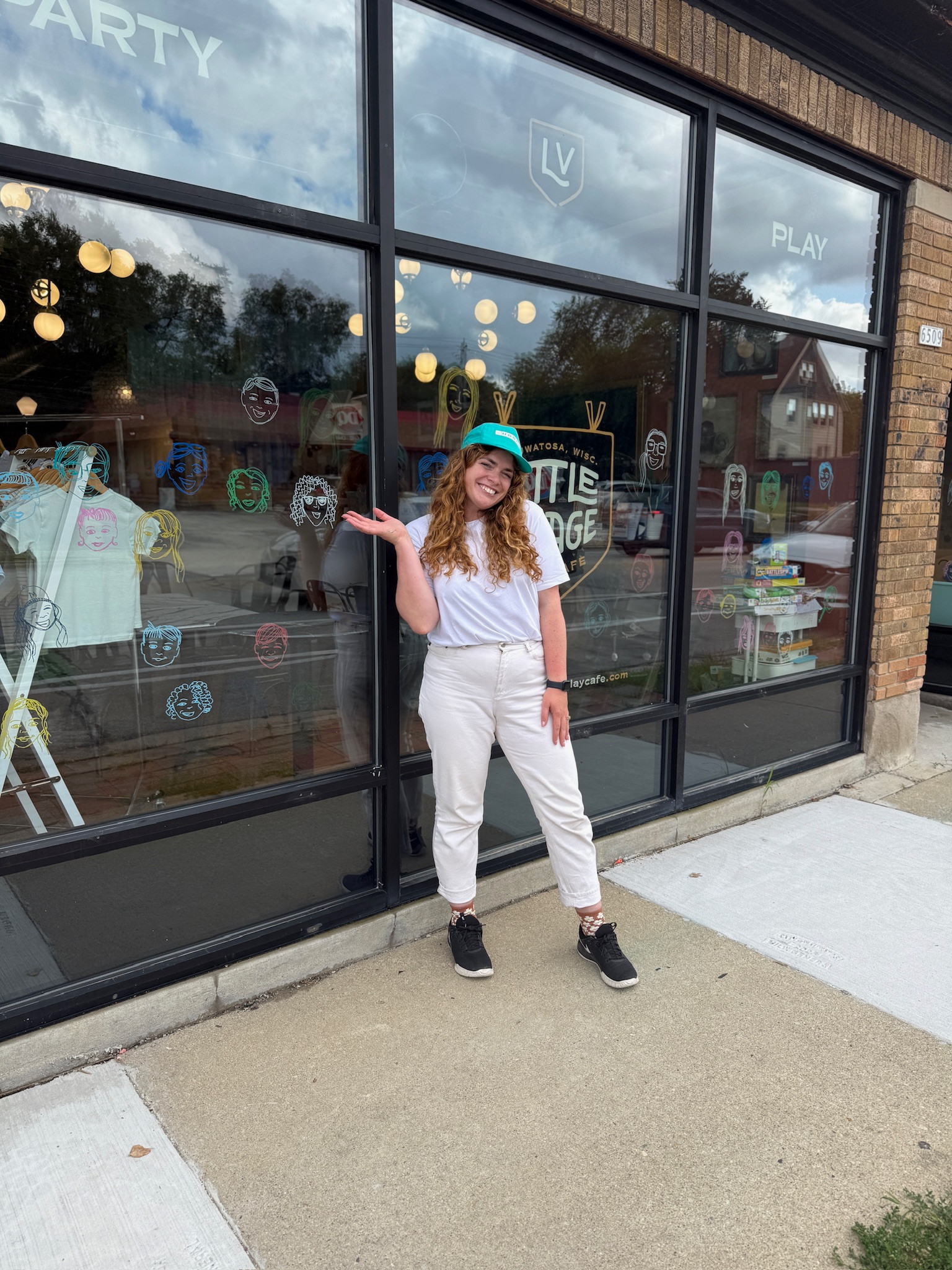
Your work often emphasizes storytelling and relationship-building. What does that look like in practice when you’re designing a brand or mural for a community space?
It all starts with conversations and information gathering. When I start projects with a consultation meeting, I’m there to not only understand the scope of the project, but also to understand exactly what the client or community wants and needs, and how I can make their story come to life.
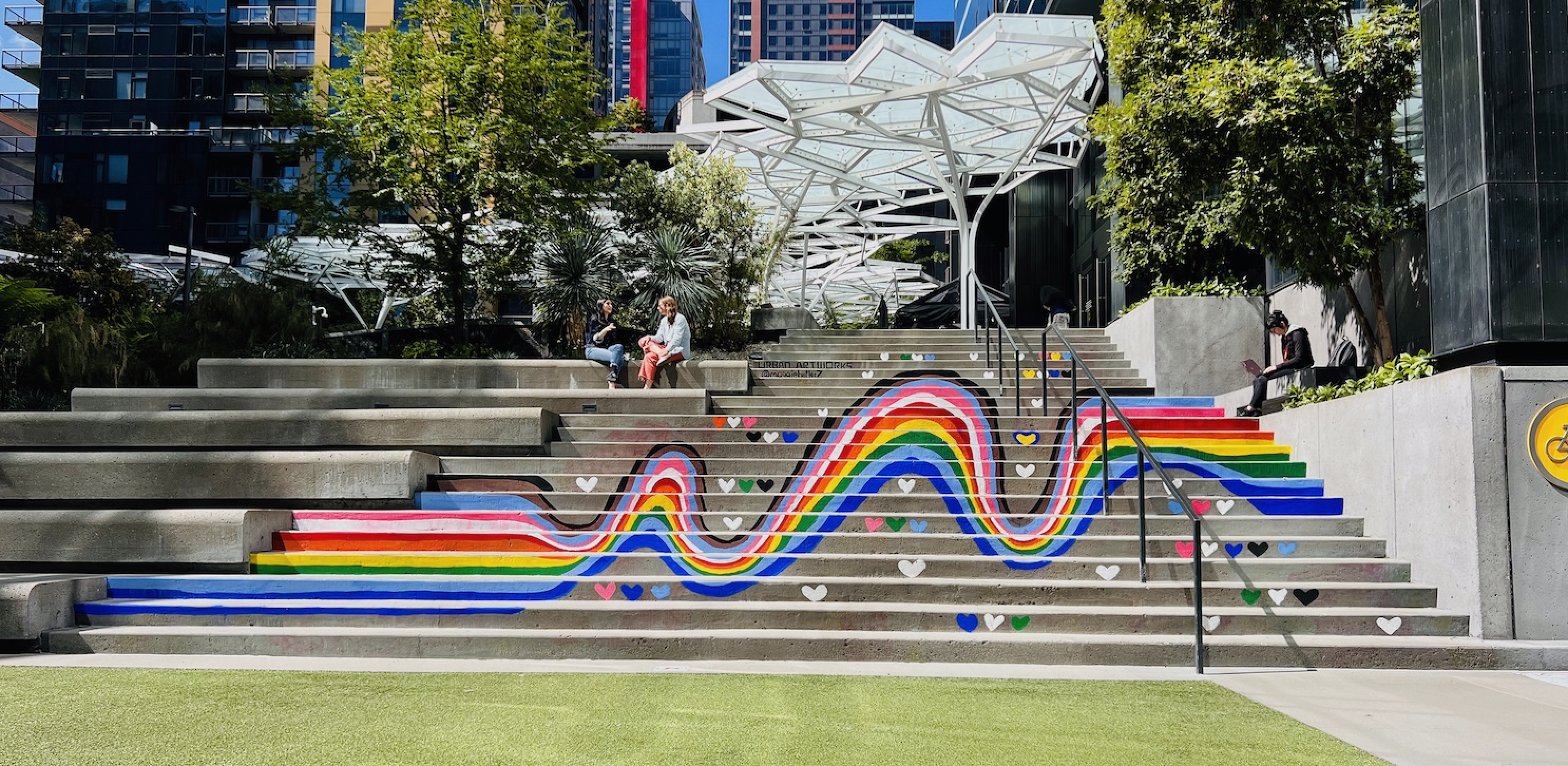
I just finished up a mural for Fremont Creative District, a neighborhood non-profit in Seattle, and to design that mural, we asked members what comes to mind when they think of Fremont, and what kind of mural they would want to see in their neighborhood. The result was quirky and fun, two words that came up a lot when the team was researching and polling the community. This is why I like to do the research and ask questions before starting a project—then the mural is designed based on community input and resonates with them, building a relationship and telling a story.
Many young designers dream of freelancing but struggle to make it sustainable. What’s your advice for building a client base and balancing the art with the business side?
The best advice I’d have for designers who want to freelance would be to start out with a 9-5. Or at least an internship! I know it sounds counterproductive, and there are perhaps plenty of designers who immediately know that they want to own their own business and do it successfully. I actually never thought I would be a freelancer. I had dreams of climbing the corporate ladder and then changed my mind. But the experiences I had working in corporate were invaluable. It teaches you how to build a structure and process, how to work with clients, and how to design within a brand. Not to mention, it often pays well.
I was able to save up the money I made at my corporate gigs to help launch my business. After contributing to a retirement fund and building a safety net, I felt comfortable taking the leap. Another key reason I think starting at a 9-5 is important is for the relationships and connections you’ll make. Almost all of my client work comes from word of mouth, so having that experience and working well with others goes a long way when you’re ready to move into freelance. My other advice (that I need to learn to take myself) is to hire people to do the things that you’re not good at so you have time to do the things you are good at.
You’ve worked on projects that align with social and environmental responsibility. Why is purpose-driven design important to you?
Purpose-driven design will always be important to me because I want to make a difference in the world. I know that graphic designers aren’t saving lives or the planet, but if I can align myself with brands that are working toward a better world, it feels good to make a small contribution in that way. When I was a marketing intern at Children’s Wisconsin, it was always stressed to us that even if we aren’t directly helping the patients in the hospital, our work still matters and still contributes to the mission.
You could design the flyer that convinces someone to donate to the cause, or the elevator wrap that brightens a patient’s day. I try to remember that and bring that attitude with me when I work on purpose-driven work for causes I believe in. Of course, it’s only one small piece of the puzzle, but when each of us contributes small acts, they all add up to create big change.
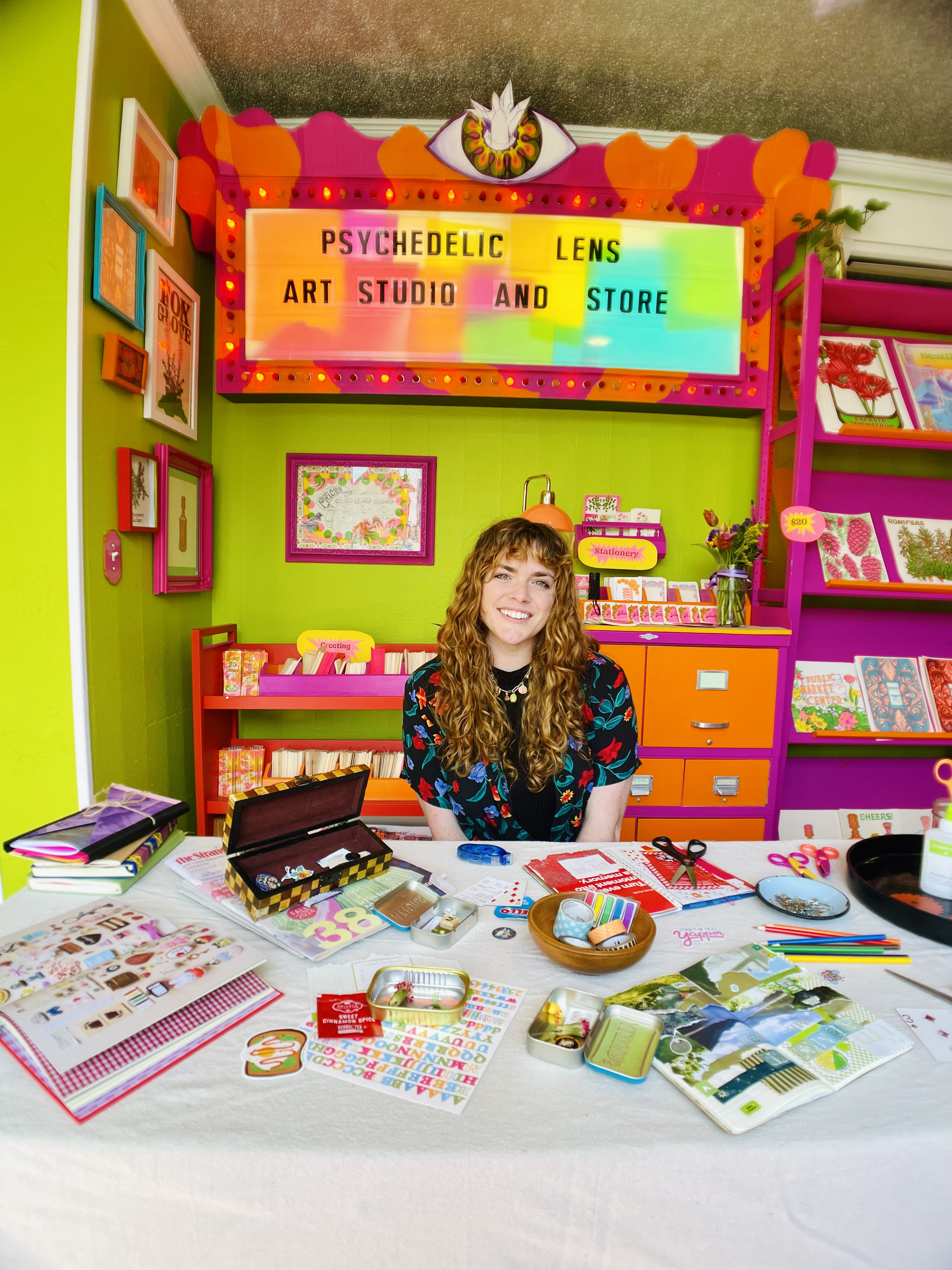
Scrap & Yap! by @maggiebutler7 • Hosted by @artclub_community • Venue @psychedelic_lens_art • 📸 BTS @sunny__doodles
Looking ahead, what kinds of projects or collaborations excite you most right now?
I’m most excited by murals right now. I shifted into murals this year because I was craving a more tactile art form and was tired of sitting at a desk all day. I feel like I’m finally starting to build up my mural portfolio and client base, so I’m excited about the possibilities in 2026. I also love working with musicians and in the food and beverage industry. I’ve been loving designing and screen printing gig posters for concerts and am looking forward to more of that work. I’d also love to one day design packaging for a beer can or wine label. It’s always fun to see your art “in the wild.”
Finally, what’s one piece of career advice you’d share with someone who wants to turn their creative passion into a profession?
Just do it! …Don’t sue me, Nike. But in all seriousness, you only have so long to live. Why spend your life not doing that one thing you’re always dreaming about?