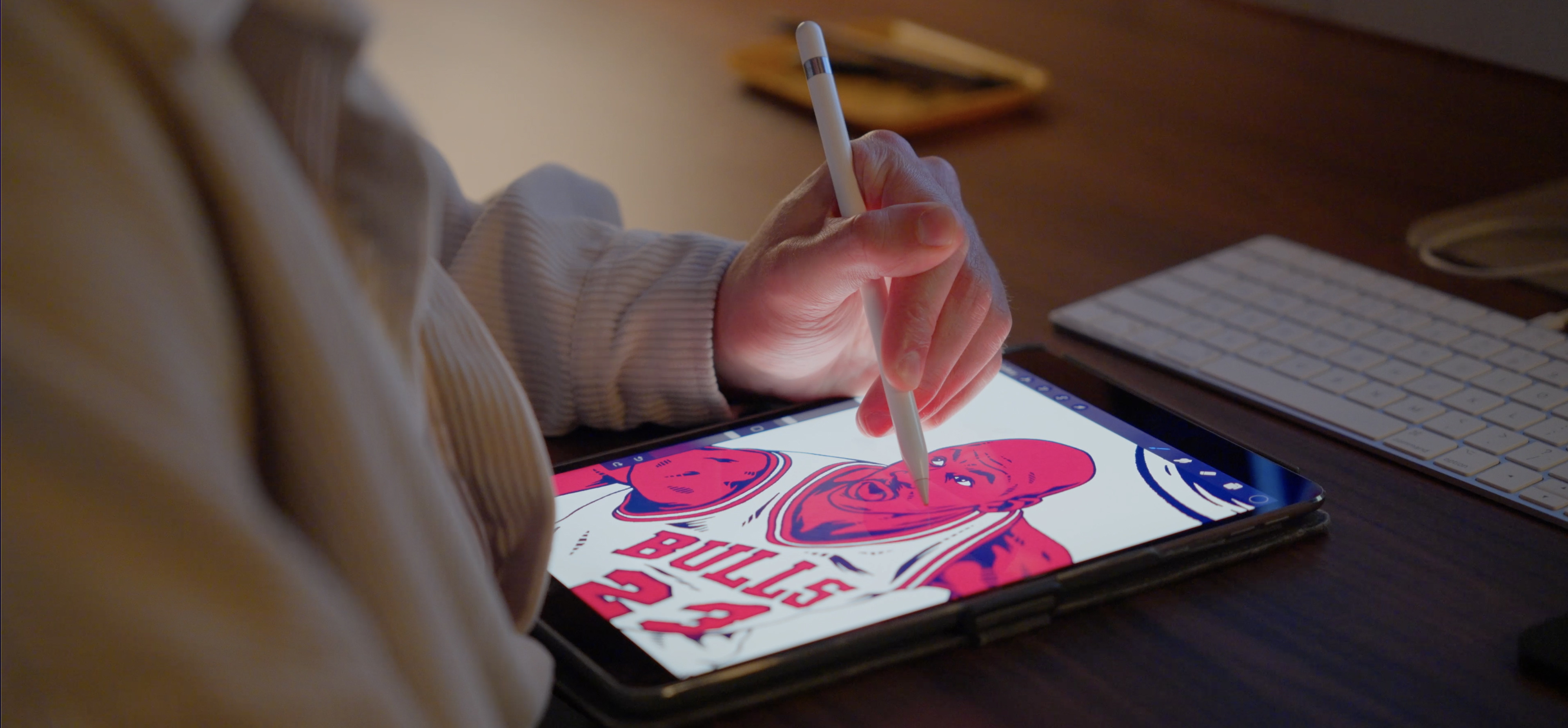
Before his illustrations showed up on College Football Playoff merch and major sports properties, Joe Till was a kid filling sketchbooks with hand-drawn logos and players, and a student tailoring every class project toward the kind of clients he hoped to land one day.
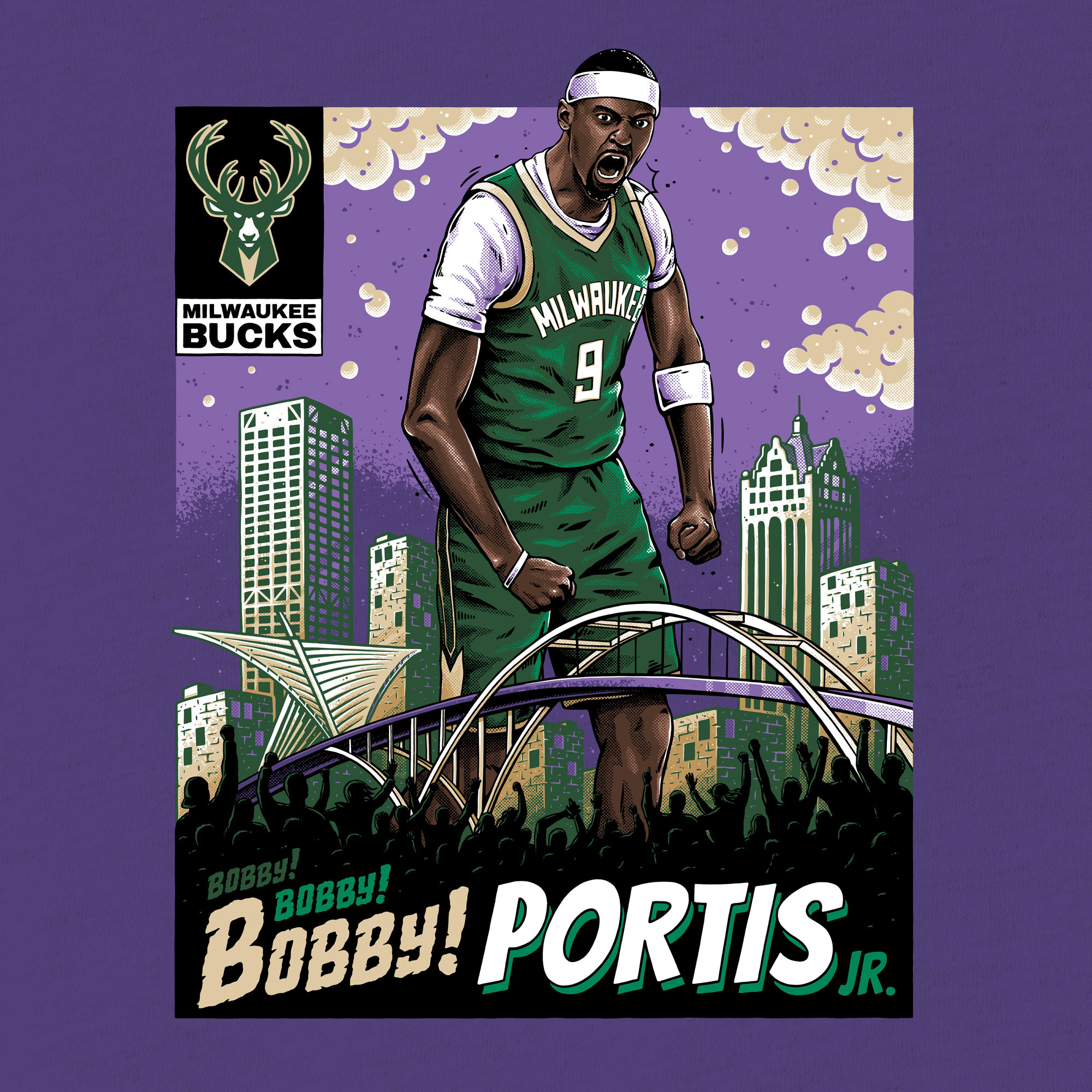
That intentional focus paid off early with an internship at Sprecher Brewing, then freelance work for the Milwaukee Bucks, and now a lead illustration role with Legends, creating bold, retro-inspired graphics for some of the biggest stages in sports.
In this Q&A, Joe talks about how he developed his distinctive style, why “handcrafted” design is having a moment in sports merch, the habits that helped him grow from local gigs to national campaigns, and his best advice for emerging illustrators building a portfolio before the big clients arrive.
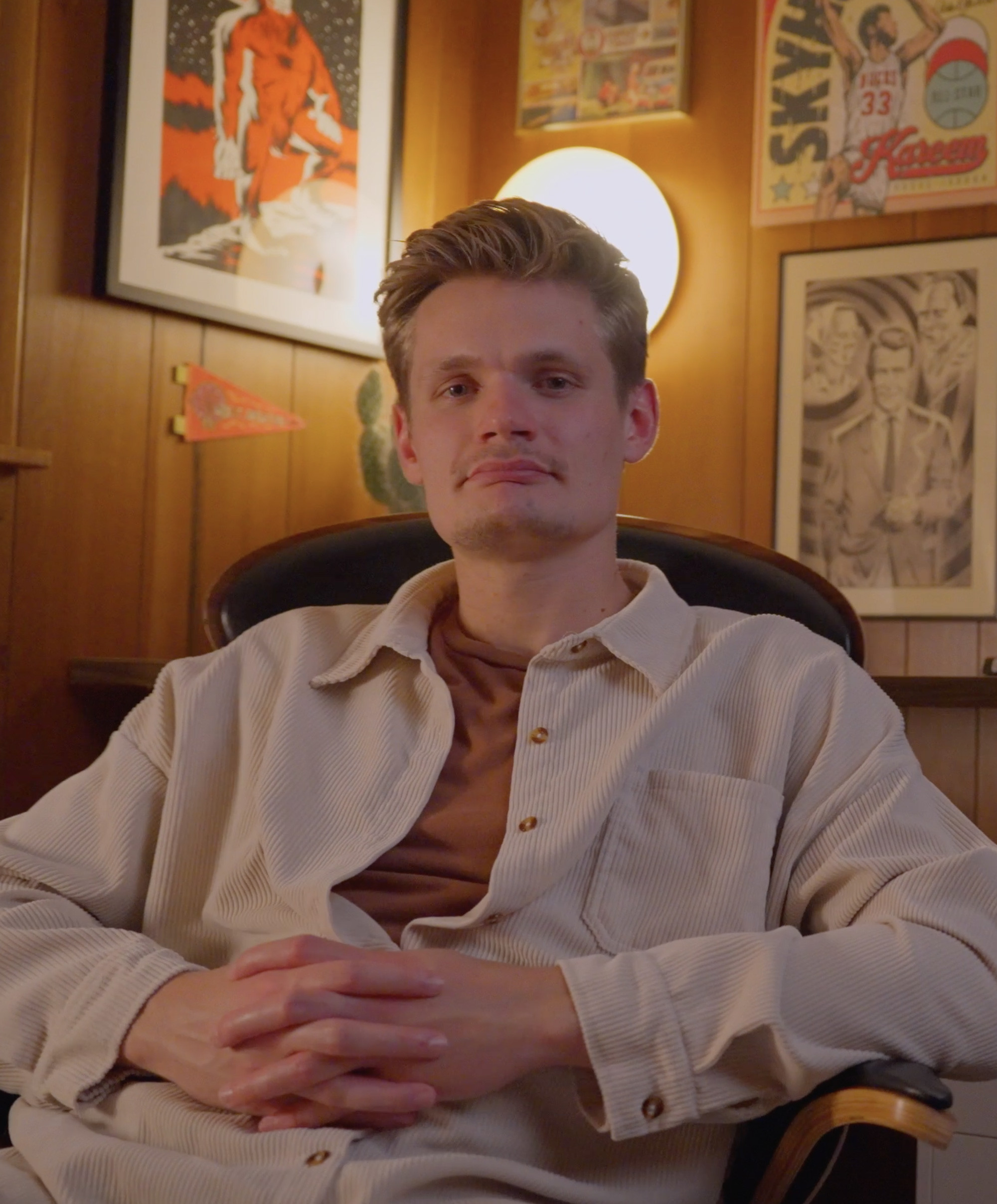
You’ve worked with everything from local Milwaukee brands to major names like the NBA and NASCAR. What was the turning point that helped your career take off?
I feel very fortunate because I knew my main skill set was illustration from a very early stage in my career. Going back to my time at Waukesha County Technical College, I catered my school projects towards a style that would attract a client that I would be interested in working with.
My first big opportunity came through Sprecher, as I had my first internship with them. In addition to that, it was the sports work that I completed in my spare time that eventually got the attention of the Milwaukee Bucks.
I knew that if I crushed those initial opportunities, I would set myself up for success going forward.
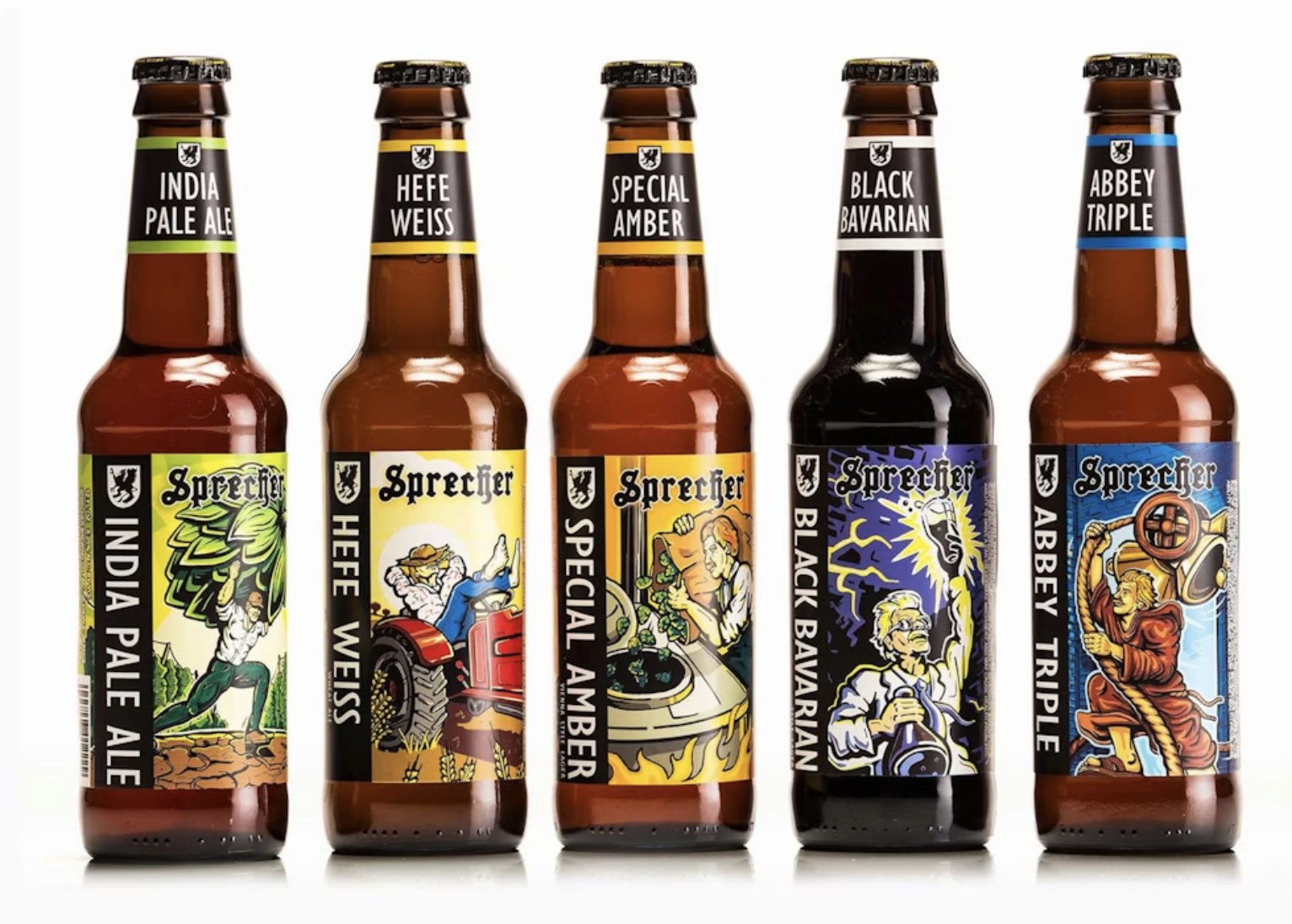
Your early work with Sprecher Brewing seems to have played a pivotal role. How did that initial opportunity come about, and what did you learn from it?
When I was at WCTC, I learned about a Sprecher internship opportunity from a prior student who also interned there. During my interview, I was excited to learn that they were looking to roll out illustrations for all of their beer packaging, and that they saw my style as a perfect fit.
This felt like my first big opportunity in my career, which was extremely exciting! This was also the first time I got to execute my illustrative style for a commercial purpose, and I certainly learned a lot through that process.
Specifically, I gained an understanding in design and file set-up for dimensional packaging, as well as market strategy.
What inspired you to pursue a career in illustration and design, and how did your time at WCTC shape that direction?
When I was little, I would draw constantly. I would recreate sports team logos for fun, looking at their logo as a reference image. I would illustrate sports players. I have tons of old drawings and sketchbooks of mine. In many ways, it is exactly what I do now. So I am blessed to say that my interest in this field feels second nature!
I remember the exact moment my Mom told me about graphic design after seeing my drawings, and it felt like I knew right then and there that I was meant to do this.
I had the repetition and practice already because of that, but WCTC taught me how to be a professional. They taught me about the purpose of design, and instilled in me a great skill set for design software. I left feeling completely ready for the design world!
How would you describe your artistic style, and how did you develop it?
There are definitely specific sources of inspiration for my style, whether it's old posters or comic books. My Dad also loved 80s arcade games and I grew up surrounded by the artwork that would be on the arcade game cabinets. I think that also subconsciously inspired my style.
But really, I'm mostly inspired by anything that has bold, striking color and linework. In addition, I am inspired by things that have a texture. Design that looks clean, but also handmade.
I love precise design, but I intentionally add a blottyness to my lines to embrace that charm of "imperfection". It also captures a retro, yet timeless aesthetic – which is perfect for designing merchandise.
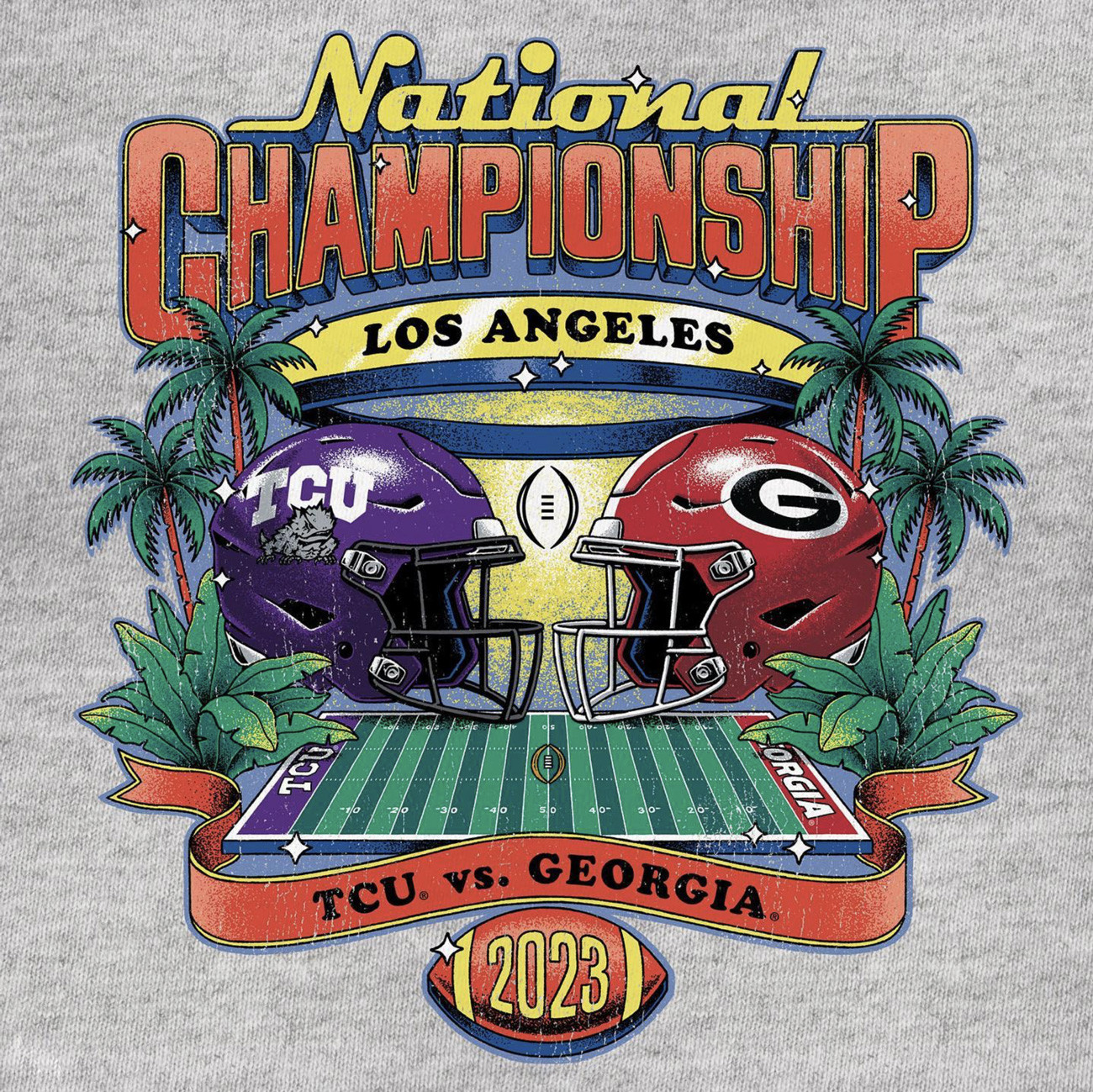
Can you walk us through your creative process for a major project like one with the College Football Playoff?
For the College Football Playoff, it starts like all creative endeavors – gathering a lot of inspiration. Luckily, I have been able to really push the creative envelope with them and create unique, detailed illustrations that are inspired by a variety of different styles, both in graphics and clothing trends.
I will then roll out the central designs throughout the summer, based on the inspiration I have gathered. Although I do have a style, I also pride myself on versatility. It keeps things exciting for me, as it brings a new appreciation for approaches that I haven't tried before.
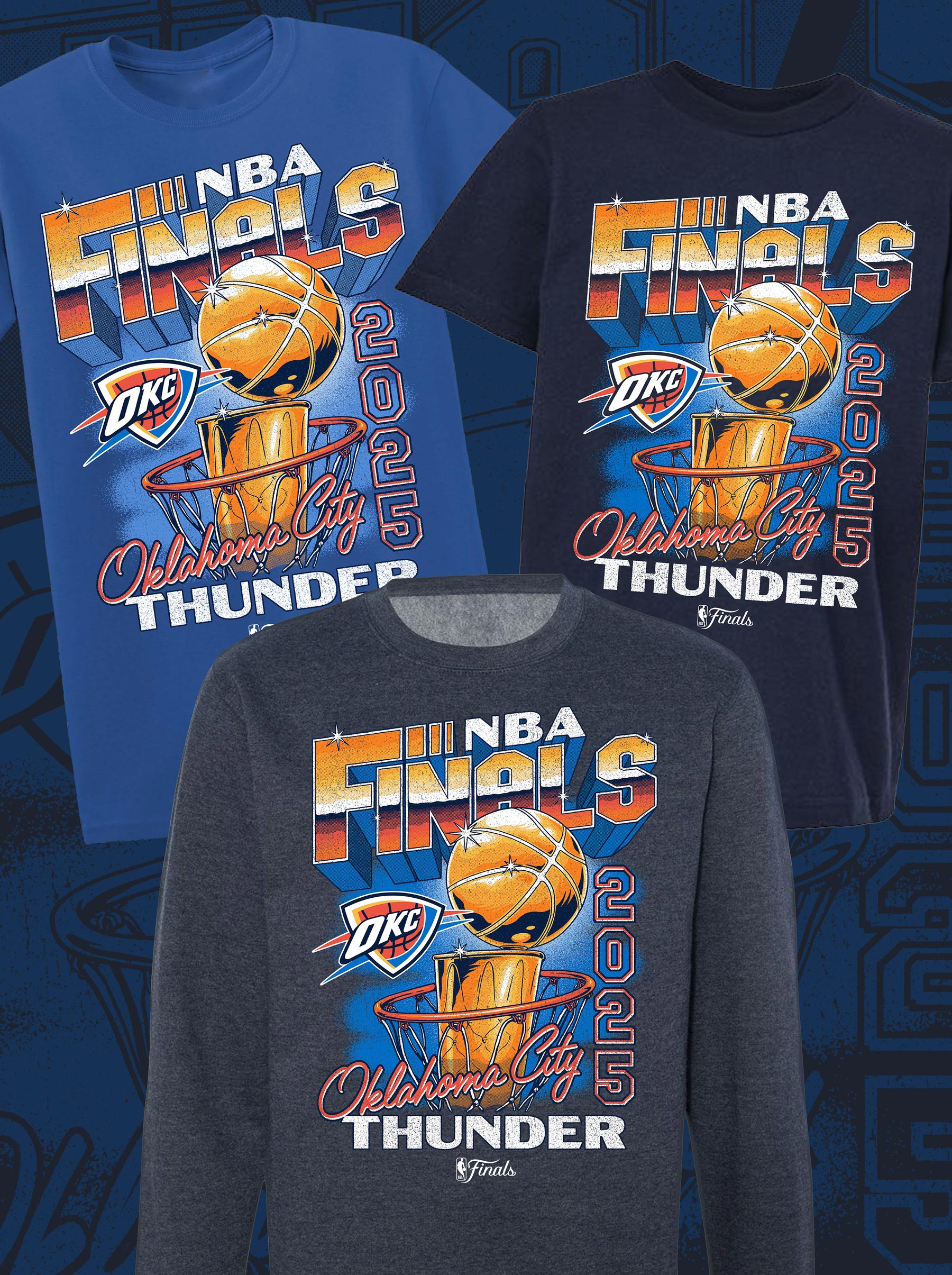
More often than not, I am aiming for a vintage look. But that can vary from an illustration style reminiscent of 50s–60s commercial art, to 90s distressed graphic tees. There is a back and forth process of approval for those central concepts, and then we start creating versions for each team that makes the 12 team playoff once that is announced.
As you can imagine, organization and planning is crucial here. Each design must account for team flexibility, as you don't know the matchups when the designs are originally created. So working with the College Football Playoff requires a blend of high creativity with technical problem solving and organization, which is design in a nutshell.
You’ve made the leap from local freelance work to leading illustrations for Legends. What skills or habits helped you grow professionally across these roles?
This probably sounds really simple, but I think the main skill or habit that always translates is dedication and passion. I view each and every opportunity that I have, big or small, as an opportunity to create something that will have impact.
That real world impact potential always serves as an extra dose of motivation for me to continue giving it my all.
What’s the most important lesson you’ve learned working in both freelance and full-time roles?
I will piggyback off of my previous answer for this question as well. Oftentimes, things can feel a bit overwhelming – especially if you're a freelancer juggling a multitude of tasks in addition to creating.
Of course those additional business and marketing skills are crucial too, but when you focus first on showing up and delivering something that the client will love, it takes care of a lot of the other things. Because ultimately, you don't have to spend as much time selling yourself if the work speaks for itself.
I would say that is the most important lesson.
You’ve successfully adapted your illustrations to a wide range of formats—packaging, branding, merchandising. What’s the key to versatility as a designer?
A big part of versatility is developing a style that will be able to work across a wide range of formats. But when you are working on a specific format or situation, taking the time to understand the utility and purpose of what you are doing is key.
For instance, when I am designing a shirt, I will design directly on top of an image of the tee to make sure the composition flows nicely on the garment.
If I am designing a poster, I am aiming to design something that is built for a rectangular shape with 4 corners. This makes each design feel initional to the format that it is in.
What trends are you seeing in sports and event merchandise that designers should be paying attention to?
I get a sense that people want something that looks handcrafted. Sports merchandise has become very minimalistic in a lot of ways, especially over the past couple decades or so. Oftentimes, the majority of a team's offerings consist of logo drops across a variety of garment styles, with limited depth after that.
But there is definitely a desire for higher artistry and bold graphics. I think this is also married to the fact that there seems to be a high nostalgia for the past right now. Sports brings that out naturally, because fans love to think about the great players or teams they grew up watching.
But graphic tees were also more creative and handcrafted back then, and I think people associate that with their fond memories and nostalgia.
You’ve mentioned that you love mentoring young creatives. What’s one piece of advice you give to someone just starting out in illustration or design?
Design is such an exciting industry because each professional has the ability to carve out their own unique path. Even if we have a similar job title, we all have different skill sets and abilities that are completely unique to ourselves.
So for young professionals, I encourage them to do everything they can to find their creative voice. It is a very specific value that can't be replicated by anyone else once it is mastered.
How do you recommend emerging artists build their first portfolio if they don’t yet have big clients?
It is really important to create your own projects in your spare time. Simulate a real life client relationship based on the type of work you want to pursue.
Share it online, post it on social media, and essentially present yourself and your work in a way that will attract those "perfect fit" clients.
What’s one thing you wish you had done differently early in your career?
Early on, the amount of effort that I put into my projects could also be a double-edged sword. The majority of my time would be taken up by choosing to make my work as detailed as possible. But detailed doesn't always mean better.
There is great skill in being able to come up with an impressive solution in only a couple hours. And real world deadlines require you to do so sometimes.
It is still a struggle, but something I have certainly improved on.
Are there any dream collaborations or projects still on your bucket list?
Another passion of mine is theme parks. Most graphics that you find inside a park are extremely illustrative and detailed, so I think my work would be a natural fit.
I did win a t-shirt design contest for Dollywood in Tennessee, so technically I have dabbled in that industry. But more theme park work is definitely on the bucket list!
How do you keep your work fresh and creatively energized over time?
My favorite part of the creative process is still finding inspiration sources. It's something that I could do for hours. There is a natural excitement that I get from looking at great designs of the past, and it keeps me energized when I have the opportunity to create something inspired by those sources.
And there is a lot of variety in what inspires me, so new approaches are always happening. That certainly keeps things fresh!
What’s next for Joe Till Studios?
Right now, I'm focused on producing the best work that I possibly can for Legends. For my additional independent work, I am still looking forward to working with really awesome people on cool new opportunities.
I explored sign painting for the first time this past year for a new coffee shop opening up in Eagle. I really enjoyed the chance to step away from screen time for a bit to design something in a more hands-on way.
I can certainly see myself pursuing more opportunities like that in the future!