Milwaukee has no shortage of talented people, ambitious ideas, or reasons to be proud. The harder part has always been visibility and connection.
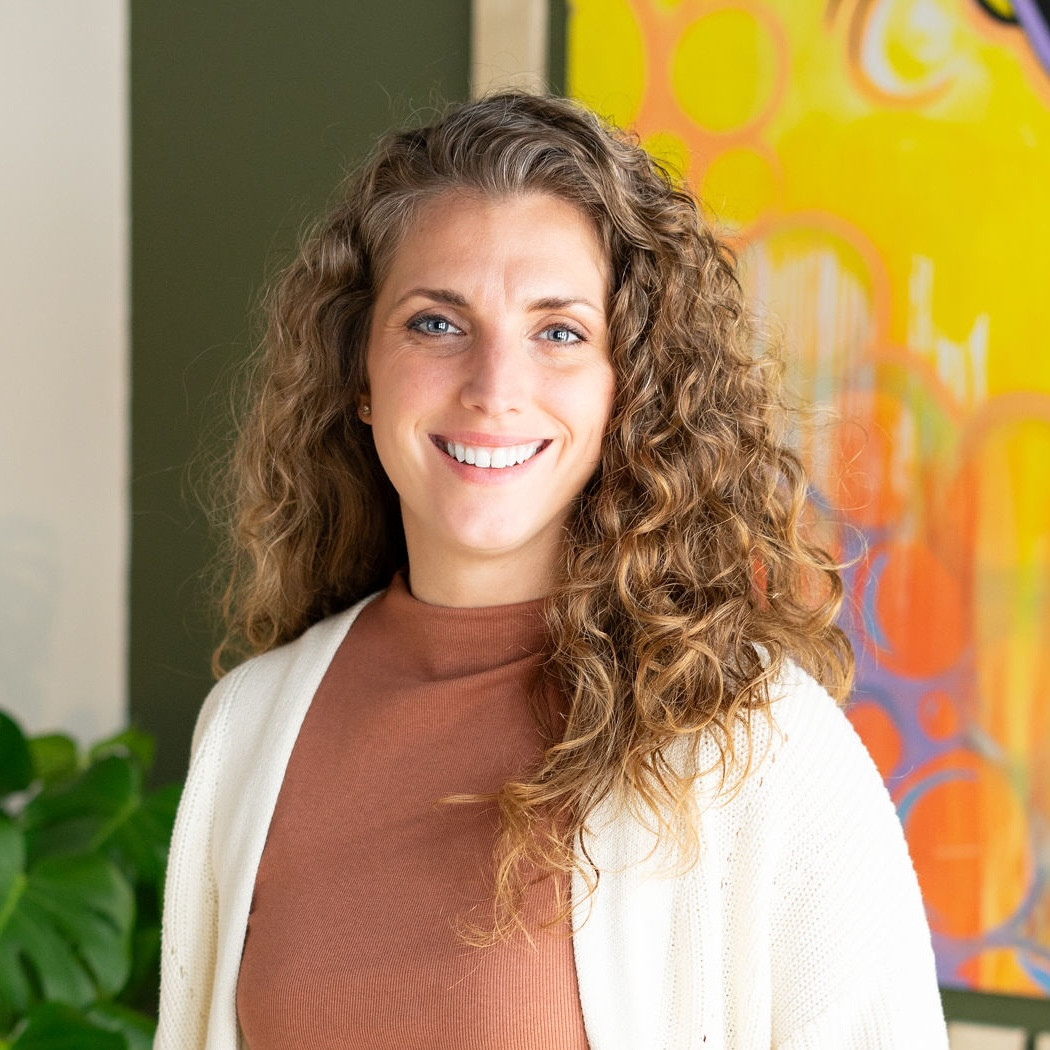
That’s the gap Angela Damiani set out to close when she launched NEWaukee in 2009: helping young professionals, transplants, and curious locals find their way into the city’s social and civic fabric.
In this interview, Angela walks through how NEWaukee evolved from “let’s get people in the same room” to something deeper: designing experiences that create trust, belonging, and long-term engagement—for communities, brands, and organizations.
She pairs big “what if” thinking with the discipline of “how might we,” breaking ambitious ideas into practical steps that survive budgets, skeptics, and real-world friction.
Along the way, she shares what it takes to build momentum without a massive budget, why IRL still matters in a digital-first era, and the three starting moves anyone can use to build community from zero. She also gets candid about pivots, leadership in public, and why the Midwest founder ecosystem is more innovative than it gets credit for.
And when people feel connected, they take bigger swings and build better things.
You recently launched a new podcast. If a listener takes just one thing from your podcast (and your career philosophy), what do you hope it is?
At the heart of my work is a belief that community is not a nice-to-have. It’s infrastructure. When people feel connected, they take more risks, build better things, and care more about the places they live. That’s what I’m trying to support through everything I do.
When you look back, what’s the earliest clue that you were wired for community-building and making things happen?
I learned early on how powerful it is to create something from scratch. Whether it was projects in school or early jobs, I was always motivated by the idea of building something that didn’t exist yet. That mix of creativity, connection, and entrepreneurship really shaped the path I eventually took.
NEWaukee has evolved over time. What was the original problem you were trying to solve in 2009, and what does the company solve now?
In 2009, the original problem was simple: Milwaukee had amazing people and opportunities, but they weren’t always visible or accessible, especially to young professionals and transplants. NEWaukee started as a way to help people feel connected to the city and to each other through experiences.
Today, we solve a more complex version of that same problem. We help organizations, brands, and cities design experiences that build trust, belonging, and engagement. It’s not just about events anymore, it’s about how you show up in a community in a way that feels human and meaningful.
Your mantra is basically: “But, what if we could?!” How do you balance that optimism with the reality of budgets, timelines, skeptics and inertia?
Optimism is only useful if it’s paired with discipline. I love the “what if,” but I’ve learned to immediately follow it with “how might we.” That means breaking big ideas into practical steps, testing them in small ways, and being honest about constraints.
Skeptics and limitations aren’t the enemy. They often make ideas better. If something can survive budget pressure, timelines, and real-world friction, it’s usually because there’s something real underneath it.
What’s one “unreasonable” idea you pushed through that ended up working and what made it work?
One early “unreasonable” idea was believing that people would come together around civic pride and community experiences in a way that wasn’t transactional. We didn’t start with a big budget or a proven model. We started with trust, consistency, and a belief that people wanted to belong to something.
What made it work was showing up over and over again, even when it was small. We built momentum through relationships before we ever built scale.
What’s a moment where something didn’t work and you had to pivot hard? What did that teach you about leadership or building in public?
There have been moments when a program or direction we believed in just didn’t land the way we hoped. When that happens publicly, it’s uncomfortable. You can’t hide it.
It taught me that leadership isn’t about pretending you have all the answers. It’s about naming what’s not working, listening, and being willing to change course without losing your values. Building in public means you don’t get the luxury of perfection, but you do get the benefit of collective learning.
You’ve helped transform public spaces and in-person experiences in Milwaukee. In a world that’s increasingly digital, why does “IRL” still matter and how do you design an experience that actually connects people?
IRL still matters because humans are physical, emotional, and social beings. Screens can inform us, but shared space changes how we feel about each other and about a place.
To design an experience that actually connects people, you start with intention. Who should feel welcome? What emotion are we trying to create? Then you design for interaction, not just attendance. The goal isn’t just to gather people in a room. It’s to help them feel seen and part of something.
A lot of people say they want community, but don’t know how to build it. If someone is starting from zero, what are the first 3 practical steps you’d recommend?
First, be clear about who it’s for. Community isn’t for everyone, and that’s okay.
Second, start small and consistently. A handful of meaningful connections beats a big crowd with no depth.
Third, design for contribution, not consumption. People don’t bond by watching, they bond by participating.
You’re the lead curator for the Midwest Founders Community. What’s unique (or underrated) about the Midwest founder ecosystem and what’s the biggest myth you’d love to retire?
What’s underrated is how grounded Midwest founders are. There’s a strong bias toward building real businesses, not just hype. People care about sustainability, employees, and impact.
The biggest myth I’d love to retire is that innovation only happens on the coasts. The Midwest produces world-class founders and companies. They just tend to be quieter about it.
You’ve operated as a CEO, a co-founder, and a partner across ventures. How do you decide what to say yes to now? Do you have a filter or a set of rules?
My filter now is alignment and capacity. Does this connect to my core mission around community, trust, and experience? And do I actually have the energy to do it well?
I’ve learned that saying yes to the wrong thing is just another way of saying no to what matters most.
Let’s talk career advice. What are the skills you think will matter more and more in the next 5 years, especially for people building careers in marketing, community, experience design, or entrepreneurship?
The biggest ones are systems thinking, emotional intelligence, and the ability to translate ideas into action. Technical skills change fast. The ability to build trust, tell a clear story, and move people toward something meaningful will only become more valuable.
Switching from being the “doer” to being the builder of teams and systems. It feels risky because you lose control, but it’s often the only way to grow beyond yourself.
The podcast grew out of years of conversations with founders, leaders, and creatives who were navigating change. I wanted to create a space for those honest, in-between moments where people are figuring things out.
The mission is to explore how we make new things possible, not just in business, but in life and community. The conversations are about growth, risk, failure, and the human side of building.
What’s one career move people avoid because it feels risky but is often worth it? (Switching industries, taking a pay cut for learning, going from “doer” to leader, etc.)
That progress doesn’t require perfection. It requires courage, curiosity, and connection. You don’t have to have it all figured out to take the next step. You just have to be willing to start.
Angela Damiani is one of Big Shoes Network's leaders to follow on LinkedIn