The NFL schedule release. The Orlando Magic's classic throwback theme song. A game-day graphic.
On the surface, these are small moments. But in the hands of the right team, they pull fans in, keep them engaged and give brands a real role in the conversation.
The shift from simply posting content to building fan rituals is one of the most interesting things happening in sports marketing right now.
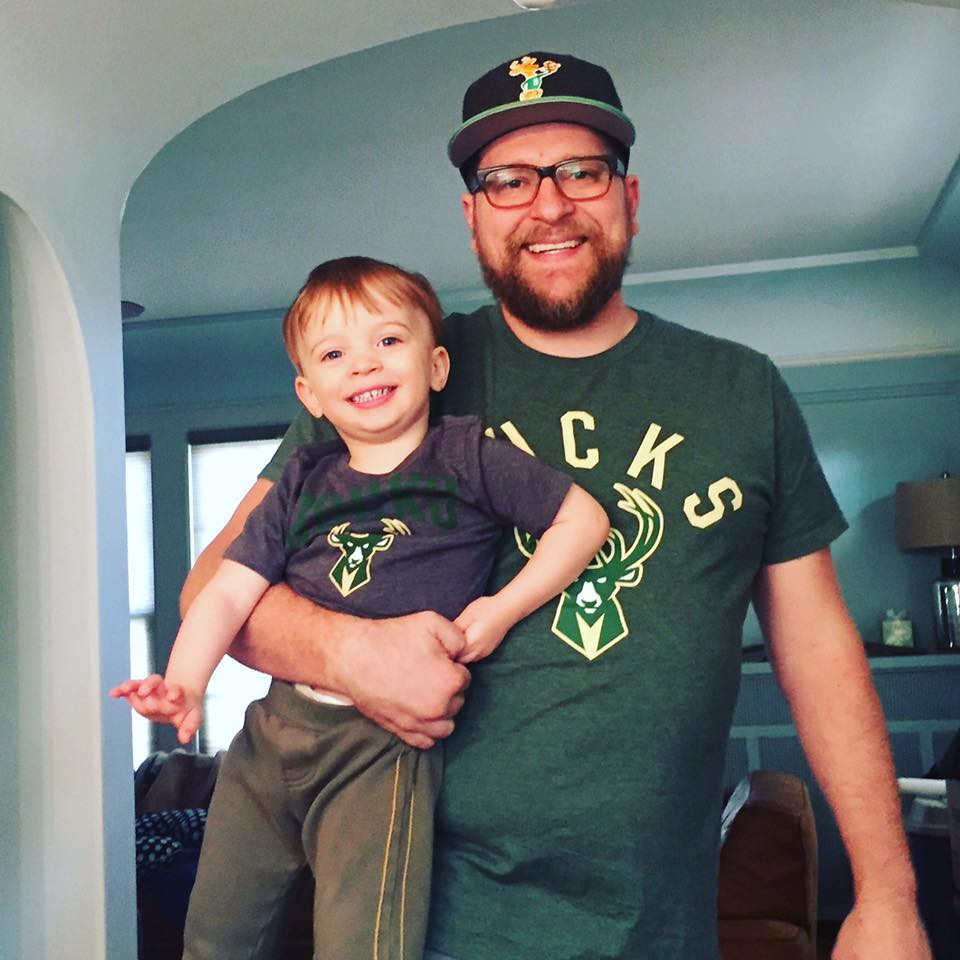
Mike "Wiz" Wisniewski has spent years helping brands think that way.
His work has touched sports, partnerships, talent and amplification. For this Big Shoes Q+A, we focused on a niche Wiz knows well: how sports brands can turn moments into momentum, and why the best marketing in the category feels less like advertising and more like something fans want to follow, share and talk about.
What are some of your favorite examples of sports marketing lately that actually engage fans?
- Orlando Magic “Play The Song” - coming off their 35th anniversary, the Magic brought back the original theme song they used at the start of the franchise. But the way the team has leveraged across social, in-area, and merchandise gives them multiple activation avenues that feel authentic and connect across various fans.
- NFL Teams’ Schedule Release - This is every content team’s “Super Bowl.” The NFL version of “Hold My Beer,” where teams are trying to outdo their rivals but what they produced the previous year. It has turned something that once was a press release into a cultural moment, driving football conversation during the offseason.
- Unrivaled - For a start-up brand, Unrivaled has made some incredibly smart decisions to grow its brand and audience quickly. It starts with their player-centric & authentic content, driven by a solid mix of digital-first storytelling and strategic brand partnerships. It’s all being integrated into ways that feel authentic across social and broadcast.
What can marketers learn from sports media and fan accounts that feels more relevant right now than what they can learn from other brand channels?
Marketers can start to rethink their approach and content mix. Focusing on more authentic, real-time engagement that leverages emotions and reactions. Rethinking employee engagement or content creation can be a big opportunity to showcase personality-driven storytelling and a brand’s culture.
It comes down to shifting how we nurture across marketing touchpoints, rather than focusing solely on acquisition.
You’ve said talent should be treated as collaborators, not just subjects. What does that look like when working with athletes, creators, or personalities in a way that feels real instead of overly scripted?
Treating talent as collaborators means inviting them into the creative process from the start (you’d be surprised at how many athletes want to be part of the creative process or provide ideas on-set).
Part of it is doing your research to understand their personality, interests, and levels of comfort. Then it’s working with them and their team, listening to their ideas and boundaries, co-developing themes and questions, and allowing them freedom to respond in their own voice rather than sticking to a rigid script.
But it’s also a balance, because you are managing client needs, a producer’s checklist, and other marketing objectives/needs. That’s why it’s crucial to have a solid team and plan in place before every production.
When you look at athlete or creator partnerships in sports, what are the signs that a brand is building something authentic versus just renting a recognizable face?
Authentic brand partnerships go beyond short-term endorsements: they show up as long-term. It’s a strategically aligned relationship where the talent and creator are vested in building something together.
You’ll see consistent integration across multiple marketing channels—not just a single ad.
My approach is, how can we integrate beyond just above-the-line. Where are the opportunities to connect with fans across social, customer reward programs, PR/media, additional partnership integration, experiential/appearances, players’ charities, etc.
When you start to connect those touchpoints, partnerships are more connected and authentic, helping drive key KPIs.
I recently came across an ad with former Milwaukee Bucks guard Donte DiVincenzo for Ragu. Immediately, it felt inauthentic. Especially since he raved about his mom’s homemade pasta on draft night.
He got called out for it on the Club 520 podcast.
How do you think brands should balance league-wide narratives, like the World Cup or playoffs, with local team, city, and community-specific storytelling?
It’s a delicate balance. It comes down to your overall marketing, content strategy, and the access you have to brand marks and rights.
But there are many levers you can pull to help accomplish these goals. To drive success, it needs to be a combination of your marketing team, partnerships, content creators, and media amplification. When these elements work strategically together, they help amplify anchor campaigns in the big, league-wide narratives for scale and shared excitement, then localize via activations that can be adapted through local stories, athletes, venues, and grassroots moments.
This means developing a flexible, creative framework and assets via toolkits, so multiple teams, agencies, partners, and talent have a dedicated activation blueprint with the goal of a cohesive national presence that still feels personal and relevant for local markets.
In your view, what sports properties or leagues are currently doing the best job of engaging with fans?
Across the board, the best-performing properties combine storytelling with authentic athlete integrations, creator collaboration, recurring content formats, and scalable live/experiential moments.
Here are a few standouts:
- NBA & WNBA: Both leagues drive high engagement and connect with a young, tech-savvy audience
- Formula 1 (F1): They continue to capitalize on the “Dive to Survive" success. I’ve been impressed with how they continue to make the sport accessible beyond race day
- WWE: Highly effective storytellers continuing to blend sports and entertainment. They have done an outstanding job at building personal brands for their superstars and partnering with the right pop culture figures to drive cross-over interest
You’ve worked in partnerships and amplification. When a sports campaign launches, what should happen in the days and weeks after the big debut if the goal is to make it stick?
The campaign launch should be viewed as the beginning, not the end.
If you are planning a season-long campaign/activation, then your planning needs to reflect that, turning attention into participation, repetition, and engaging with culture.
Where can you stretch the moment with new entry points? Most brands go quiet after a launch, killing their reach and momentum. Where can you engineer fan participation? Let them be your amplifier.
What’s the evolution? The campaign can get stale quickly. Sameness can kill a campaign quicker than silence.
The Brewers are a great example of this with the rollout of their new city connect jerseys.
If you paid attention, their amplification work didn’t stop after the jersey launch. The team did an exceptional job with PR, influencers, content, digital, experiential, and in-stadium. Every touchpoint was crafted intentionally to be part of the overall story throughout the season.
What metrics matter most when evaluating whether a sports content program is actually working? Are there signals you trust more than views and impressions?
Views and impressions are useful for reach, but those metrics can be easily acquired by paid amplification. Typically, in the programs I’ve managed, we’d focus more on engagement rate, view-through rate/average watch time, and other downstream behaviors via last touch attribution.
Additionally, I’ve helped develop internal benchmarking, dashboarding, and scoring to measure social sentiment, Net Promoter–style measures, and social and brand values to round out the larger picture.
These metrics combined helped measure attention, engagement, conversion, and retention, moving from vanity reach to real brand impact against the activation.
What’s one underused opportunity in sports marketing that you think more brands should be experimenting with over the next year?
One underused opportunity in sports marketing is rethinking the game day graphic as a strategic platform rather than a routine post.
Right now, most teams treat it as a simple announcement that is static, interchangeable, and quickly forgotten. But it consistently shows up at the exact moment fans are most engaged, right before a game, which makes it one of the highest-attention touchpoints.
It’s an asset teams can leverage deeper with sponsors. And it’s an asset brands can leverage to connect with fans over the season.
What makes it powerful is its repeatability. The game day graphic can become a recognizable creative system that can build brand recognition —something that reinforces identity, creates fan rituals, and becomes part of how the audience experiences the season.
There’s also a missed opportunity to turn it into a participation engine. Rather than just announcing the matchup, it can prompt predictions (opportunity for betting sites), spark conversation, and invite fans to engage natively. Over time, that consistency feeds the algorithm, builds a habit, and turns a simple post into a reliable driver of engagement and community.
The reason it’s overlooked is that it sits between design, social, and brand, so it rarely gets owned at a strategic level. But brands that treat it as a season-long creative platform can unlock a scalable, repeatable asset that compounds attention, strengthens brand association, and becomes part of sports culture rather than just content in the feed.
For marketers who want to break into sports marketing today, what skills matter most now?
There are many opportunities in sports marketing for people who can use both analytical and creative skills. Successful professionals combine analytics and insights, strategy and brand management, with relationship building. Key soft skills include adaptability, collaboration, and strong communication.
My best advice is to be open to any entry point. Many successful marketers started by cold-calling, wearing a mascot costume, or taking on “other duties as assigned.”
Giannis – is he staying or going? What do you want to happen next?
This might be the hardest question that I’ve answered. The hire of Taylor Jenkins is a good one for both potential outcomes. He’ll bring an identity and culture they have missed since Bud left.
I think he’ll put Giannis back in positions of strength both offensively and defensively. Plus $275 million is hard to walk away from.
My thought is he stays and signs the extension with the agreement that if things are not trending in the right direction, he’s traded early in 2027.
Anything else to add?
I’m open to either freelance or FTE roles. Happy to connect.